
A car can look clean and still lack the crisp reflections, depth and clarity that make paintwork look truly cared for. The difference often comes down to machine polishing versus hand polishing – two methods that are regularly confused, yet produce very different results on swirls, scratches, dullness and oxidation.
For owners of everyday cars, prestige vehicles, classics and supercars alike, the right choice depends on the paint condition, paint thickness, panel shape and the result you expect. Hand polishing has a place in careful vehicle care, but professional machine polishing is usually the process that delivers measurable paint correction and a lasting visual transformation.
Machine Polishing Versus Hand Polishing: The Core Difference
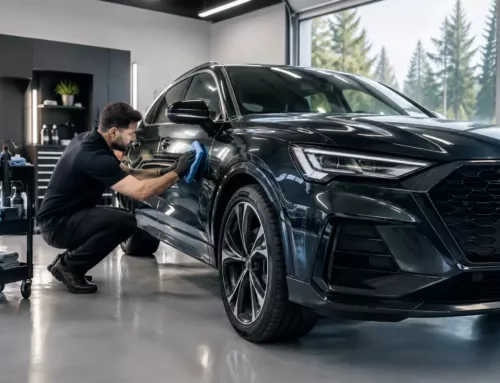
Hand polishing relies on pressure applied through an applicator pad or microfibre cloth. It can clean the surface, improve gloss and apply products evenly, but it has limited ability to remove defects within the clear coat. A product may disguise light swirls temporarily, particularly if it contains filling oils, but the marks can become visible again after washing or as the product wears away.
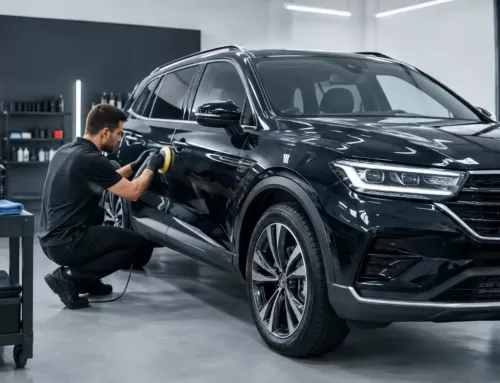
Machine polishing uses a dual-action or rotary polishing machine with carefully selected pads and compounds. The machine provides controlled, consistent movement that allows a detailer to refine the clear coat at a level that cannot realistically be achieved by hand. This is not simply about making paint shiny. It is about reducing the appearance of wash marring, light scratches, oxidation, water-spot etching and haziness to restore clarity in the paint itself.
The key word is controlled. Proper machine polishing requires an assessment of the vehicle before work begins, including the age and condition of the paint, previous repair work, vulnerable edges and the type of defects present. Different paints respond differently, so a one-method approach is not appropriate for every vehicle.
What Hand Polishing Does Well
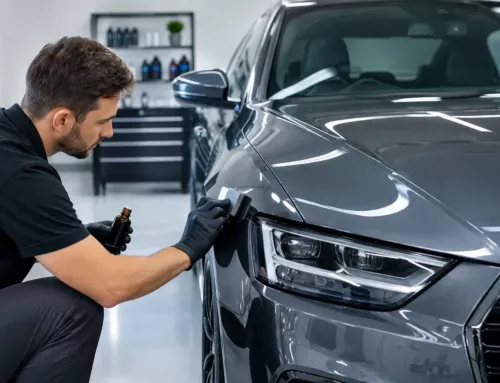
Hand polishing is useful where precision and gentle application matter more than defect removal. Tight areas around badges, delicate trim, intricate body lines and small sections that cannot be safely reached by a machine may benefit from hand work. It is also a suitable way to apply certain finishing products where correction is not the aim.
On paintwork that is already in excellent condition, hand polishing can enhance the appearance before a protective treatment is applied. It can lift minor surface dullness and add a pleasing finish, especially on a well-maintained vehicle. However, expectations need to be realistic. If direct sunlight reveals circular swirls, deeper scratches or a cloudy finish, hand polishing alone will rarely create the sharp, even reflections associated with professional paint correction.
The limitation is pressure and consistency. Even a careful person cannot maintain the same speed, movement and corrective action across an entire bonnet, roof or side panel by hand. This makes hand polishing more suitable as a complementary process than a replacement for machine correction.
Why Machine Polishing Produces Stronger Results
A professional machine polishing service can be tailored from a single-stage enhancement to a more intensive multi-stage correction. The aim is not to remove as much clear coat as possible. It is to use the least aggressive effective combination to improve the paint safely and achieve the desired level of refinement.
A single-stage polish is often appropriate for newer or reasonably well-kept vehicles with light swirling and reduced gloss. It can make a substantial difference to the vehicle’s overall presentation, bringing out colour depth and cleaner reflections without pursuing every isolated imperfection.
More heavily marked paint may require several correction stages. This approach starts with a suitable cutting stage to reduce more noticeable defects, followed by a refining stage that improves gloss and removes the haze left by heavier polishing. The finish is then prepared for protection, such as a quality wax, sealant or ceramic coating system selected for the vehicle and its intended use.
Machine polishing is also more efficient over larger panels. Efficiency does not mean rushing. It means a trained detailer can work systematically, inspect the finish under appropriate lighting and maintain a consistent standard across the car. For larger SUVs, estates and seven-seat 4x4s, this makes a significant difference to both the final appearance and the quality of the process.
The Trade-Offs to Consider
Machine polishing is not automatically the correct answer in every situation. Original paint on a classic car, unusually thin paint, historic single-stage finishes and panels with previous bodyshop repairs all require extra judgement. Some defects may be better left softened rather than chased completely, particularly where preserving the paint is more valuable than achieving an artificial-looking perfection.
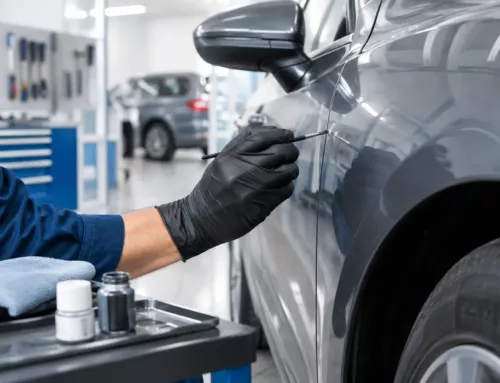
Deeper scratches deserve the same sensible approach. If a scratch has passed through the clear coat, polishing cannot safely remove it. It may be improved visually, but a detailer should explain the realistic outcome rather than overwork the surrounding paint. In some cases, a precision paint touch-up may be considered as part of a broader appearance enhancement plan.
Hand polishing is gentler by nature, but gentler does not always mean better for the finish. Repeatedly rubbing an unsuitable product or using poor technique can still mark paintwork. Conversely, a properly assessed and professionally performed machine polish can be a highly controlled process. The tool itself is not the deciding factor – the experience, inspection and product choice behind it are.
Gloss Enhancement or Paint Correction?
This distinction helps car owners decide what they are really looking for. A gloss enhancement aims to improve the overall look of the vehicle, lifting dullness and refining lighter marks where practical. It is a strong choice when the paint is generally presentable but lacks depth and freshness.
Paint correction is more focused. It targets visible defects in the clear coat and usually involves a more detailed process, with panel-by-panel work and several stages where necessary. The result can be dramatic on a car affected by frequent automatic washing, poor wash techniques, road film and long-term exposure to the elements.
Neither service needs to promise a completely flawless finish. Paint condition, vehicle age, previous repairs and safe working limits will always shape the outcome. What matters is a clear assessment before work starts and a finish that looks noticeably sharper, cleaner and more even in natural light.
Protection Should Follow Polishing
Polishing improves the paint’s appearance, but protection helps preserve that work. Once defects have been reduced and the surface is properly prepared, a protective treatment can help shield the finish from environmental contamination, bird droppings, traffic film and everyday grime.
Ceramic coatings are a popular choice for owners who want durable paint protection and easier routine cleaning. They can increase gloss and provide a more resistant surface, but they do not make paint completely scratch-proof. Safe maintenance remains essential, and even protected vehicles benefit from careful washing and periodic detailing.
For a vehicle being prepared for sale, a family car needing a confidence-restoring refresh or a cherished weekend car that deserves its best finish, the right protection should match how the car is used and stored. The best result is not necessarily the most intensive option. It is the option that suits the vehicle, its paint and the owner’s expectations.
When to Choose Professional Assessment
If your car looks flat after washing, shows swirls under petrol-station lighting or has lost the depth it once had, an assessment is more useful than choosing a polish from a label. A detailer can identify whether the issue is surface contamination, faded protection, light marring or defects that call for machine correction.
At X Studio Car, the focus is on quality services tailored to the vehicle rather than a generic process. That matters whether the car is a daily driver in New Milton, a classic kept for special occasions or a high-value vehicle requiring the highest level of professionalism around sensitive paintwork.
The most satisfying finish is one that still looks right when you walk back to your car days later: clean reflections, richer colour and paintwork that feels properly looked after. Start with the condition of the paint, choose correction only where it adds genuine value, and protect the result with care.