
A vehicle can be freshly washed and still look tired. Fine wash marks show under direct sunlight, deeper scratches interrupt the reflection, and dull paint can make an otherwise well-kept car lose its presence. That is where paint correction versus polishing becomes a useful distinction. Both services improve appearance, but they are not interchangeable – and choosing the right one affects the finish, time required and the level of improvement you can realistically expect.
For owners who want more than a basic valet, understanding that difference makes it easier to select a service that suits the vehicle’s condition and the standard of finish they have in mind.
What is car polishing?
Polishing is the process of refining paintwork to improve gloss, clarity and colour depth. A professional detailer uses suitable polishing compounds, pads and machine technique to reduce the appearance of light surface defects while bringing back a smoother, more reflective finish.
On a newer vehicle with only mild wash marring, light haze or a lack of shine, polishing can make a substantial visual difference. Metallic paint often appears brighter, dark colours gain deeper reflections and the whole vehicle looks cleaner even before protection is applied.
The term can mean different things in different settings. A quick polish following a standard clean may add temporary gloss but do little to address defects. Professional machine polishing is a far more controlled process, with the paint assessed first so the chosen combination is appropriate for its condition.
Polishing does remove a very small amount of material where needed to level or soften minor imperfections. However, the objective is usually enhancement rather than a major transformation. It is often the right choice when the paint is generally sound and the owner wants a refined finish without pursuing extensive defect removal.
What is paint correction?
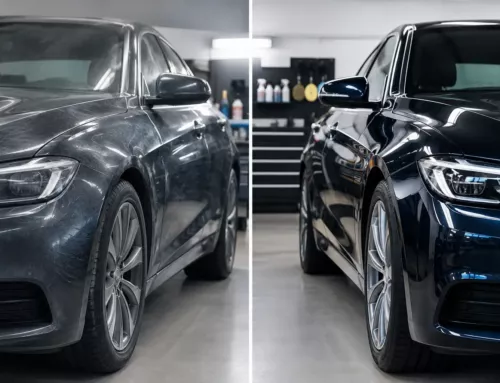
Paint correction is a more intensive, measured form of machine polishing designed to reduce visible paint defects. These may include swirl marks, wash scratches, oxidation, bird-dropping etching, holograms left by poor previous polishing and isolated deeper marks where it is safe to improve them.
The principle is simple: many marks are visible because light catches the uneven edges of a scratch or swirl. Paint correction carefully levels the surrounding surface to reduce that distortion, allowing reflections to look sharper and more consistent. It does not add a filler that hides problems briefly. It works on the paint surface itself.
A correction service may involve one, two or more polishing stages, depending on the vehicle. A single-stage correction can deliver a striking improvement for paint with moderate defects. Multi-stage correction is more thorough, normally beginning with a stronger corrective stage and followed by refinement to restore clarity and gloss.
Not every scratch can, or should, be fully removed. If a mark has penetrated through the clear coat into the colour coat or primer, aggressive polishing is not the responsible answer. In those cases, precision paint touch-up or a sensible reduction in visibility may be the best route. The highest level of professionalism means protecting the long-term condition of the paintwork, not chasing an unrealistic result at its expense.
Paint correction versus polishing: the practical difference
The easiest way to separate paint correction versus polishing is by looking at the starting point and the intended outcome. Polishing is often chosen to enhance. Paint correction is chosen to address defects and restore a noticeably more uniform finish.
A lightly weathered family SUV may need a careful enhancement polish to bring life back to the paint before protection. A black prestige saloon covered in circular wash marks may benefit from correction work that improves the sharpness of every reflection. A classic car requires an even more cautious approach, because original paint can be thin, sensitive or irreplaceable.
The difference also lies in preparation and inspection. Meaningful correction starts with thorough cleansing and decontamination, because bonded contamination can interfere with the polishing process and conceal the true state of the surface. Paint depth and condition should then be considered before work begins. This helps determine what can be achieved safely and where expectations need to be realistic.
Time is another factor. An enhancement polish can be more efficient where defects are limited. Paint correction takes longer because the detailer is working panel by panel, testing the response of the paint and refining the finish. The extra time is not simply spent polishing harder. It is spent making controlled decisions that protect the vehicle while delivering visible improvement.
Which service suits your vehicle?
The right answer depends on paint condition, vehicle age, colour, previous care and how closely you inspect the finish. Dark colours commonly reveal swirls and marring more readily than silver or light grey paint, although every colour can lose gloss through poor washing, road film and environmental contamination.
Consider polishing when your vehicle is relatively new or well maintained, with only light marks visible in strong sunlight. It is also suitable when your priority is enhanced gloss before applying a protective treatment, or when you want the vehicle looking its best for regular use without requiring major correction.
Consider paint correction when scratches, swirls and dullness are obvious across several panels, when a previous owner’s washing routine has left the paint hazy, or when you want to prepare a special vehicle for ceramic coating. Correcting the finish first ensures the coating is applied over paint that looks as clear and refined as possible.
For a daily driver, the sensible choice may be a one-stage correction that delivers a significant improvement while keeping the service proportionate to the car’s role. For an enthusiast-owned vehicle, a cherished classic or a supercar, a more detailed correction approach may be justified because the finish is central to the ownership experience. Neither choice is automatically better. The best service is the one that matches the vehicle and the result you value.
Why protection should follow either service
Once paintwork has been polished or corrected, it is in its best visual condition and deserves suitable protection. A quality wax, sealant or ceramic coating can help defend the surface against contamination, UV exposure, road grime and the effects of everyday use.
Ceramic coating is particularly valuable for owners who want durable protection and easier ongoing maintenance. It can improve water behaviour, support cleaner-looking paintwork and help reduce the impact of contaminants when they are removed promptly. It is not scratch-proof, and it does not remove the need for careful washing, but it is a strong addition to a professionally prepared vehicle.
Applying protection after correction also helps preserve the effort invested in improving the finish. Without it, paint remains exposed to the same conditions that caused the original loss of gloss. The vehicle will still need regular care, but its presentation is easier to maintain when the surface has been correctly prepared and protected.
What to expect from a professional assessment
A proper assessment should be clear rather than over-promising. A detailer should explain whether the paint needs enhancement polishing or more involved correction, identify deeper defects that may remain visible, and recommend a protection option suited to how the car is used.
This is especially helpful with used vehicles, where previous machine work, bodyshop repairs and differing paint conditions can all affect the approach. There is no single pad, polish or process that suits every car. The best results come from adapting the work to the individual vehicle.
At X Studio Car, this attention to detail helps owners across Hampshire and Dorset make a confident decision, whether they need a gloss-enhancing polish or paint correction that restores pride in their vehicle’s appearance.
If your paintwork looks flat in daylight, shows marks under petrol-station lights or no longer reflects the care you give the rest of the car, a professional inspection is a useful first step. The right treatment should leave you with a finish that looks noticeably sharper, feels properly considered and is ready to be protected for the miles ahead.