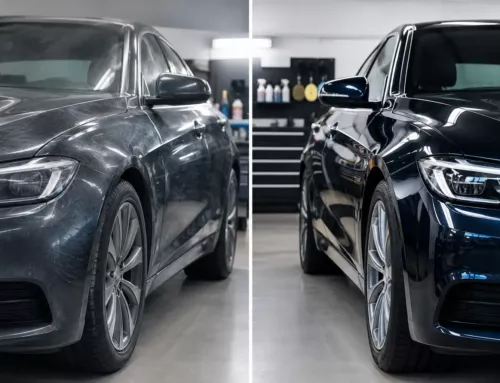

A once-deep black that now looks grey, a bright red that has turned chalky, or a bonnet that appears noticeably duller than the doors are all familiar signs of paint degradation. So, why does car paint fade? Usually, it is not one event or one missed wash. It is the gradual effect of sunlight, contamination, weather and everyday use wearing down the protective layers that give paintwork its gloss and depth.
Fading can affect any vehicle, from a well-used family SUV to a cherished classic or prestige car. The difference is often in how soon it becomes visible and whether the paint is protected before the damage becomes severe. Understanding the cause helps you make the right decision – whether that is careful maintenance, professional paint correction or a protective coating system.
Why Does Car Paint Fade in the First Place?
Modern vehicle paint is built in layers. Beneath the visible colour sits primer and other underlying coatings, while the outer clear coat provides gloss and protection. It is this clear coat that takes the daily punishment. When it becomes oxidised, contaminated or worn, the colour below loses clarity and the surface begins to look flat.
Paintwork does not always fade evenly. Horizontal panels such as the bonnet, roof and boot lid receive the most direct exposure to sun and rain, so they often deteriorate first. A car parked outside every day may show a clear difference between these panels and the protected paint around the sides of the vehicle.
UV exposure and oxidation
Ultraviolet light is the leading cause of faded paintwork. Over time, UV rays break down the resins and pigments within the paint system. This process is called oxidation. It leaves the surface looking dry, cloudy or powdery rather than reflective.
British weather may not always feel intense, but UV damage still accumulates. Long summer days, coastal driving, open car parks and repeated exposure over several years can all take their toll. Dark colours can show dullness quickly because they rely on crisp reflections for their visual depth, while bright reds are especially known for losing vibrancy when unprotected.
Contamination that sits on the surface
Bird droppings, tree sap, insect remains, industrial fallout and road film are more than cosmetic marks. Many contaminants can bond to paintwork or become acidic as they break down. Left in place, they may mark the clear coat, create etched patches and make the finish appear uneven.
Salt is another concern, particularly through the colder months and on vehicles used near the coast. It can cling to lower panels, wheel arches and behind trim, where it contributes to staining and deterioration if not properly removed. Regular cleaning matters, but the quality of the process matters too: contamination needs to be safely lifted away rather than dragged across the paint.
Heat, weather and moisture
The cycle of heat, rain, frost and moisture causes paintwork to expand and contract in small amounts over time. This is normal, but it places extra strain on an already weakened surface. Water spots can also leave mineral deposits that dull gloss or etch into the clear coat if they are allowed to bake on in sunlight.
A vehicle kept outdoors is not destined to fade, but it benefits from a more proactive protection plan. Parking under trees can reduce direct sun exposure, yet it can also increase exposure to sap, pollen and bird droppings. There is always a balance to consider.
Washing Methods Can Make Fading Look Worse
Not every dull car has genuinely faded paint. Sometimes the surface is covered in fine scratches and wash marring that scatter light instead of reflecting it. Under daylight, this creates a hazy finish that can make healthy paint look old before its time.
Automatic car washes, dirty sponges, harsh chemicals and rushed washing can all compromise the finish. Strong traffic-film removers or unsuitable cleaning products may strip away previously applied protection, leaving the clear coat more exposed to UV and contamination. Repeated abrasion is particularly noticeable on darker paintwork, where swirl marks reduce the clean, mirror-like appearance owners expect.
For this reason, polishing is not automatically the answer. Polishing removes a controlled amount of clear coat to level defects, so it should be approached with care and only when it will provide a worthwhile improvement. A professional assessment considers paint depth, condition, previous repair work and the result you want to achieve.
Can Faded Car Paint Be Restored?
It depends on how far the damage has progressed. Where oxidation, light scratches and surface staining are confined to the upper clear coat, professional paint correction can often bring back significant gloss, clarity and colour richness. The result can be striking, especially on paintwork that appears tired but still has a sound, workable clear coat.
A detailer will decontaminate the surface, inspect the paint and use a measured machine-polishing process to reduce defects. This is not simply about making the vehicle shiny for a day. The aim is to refine the paint safely, improve reflection and create a clean base for long-term protection.
However, correction has limits. If the clear coat has failed, is peeling, or the colour coat itself has broken down, polishing cannot rebuild the missing material. In these cases, repainting may be the appropriate solution. An honest inspection is essential because attempting to over-polish severely damaged paint can make matters worse.
Fading versus clear-coat failure
Early oxidation often looks like a dull or chalky film and may improve through careful correction. Clear-coat failure is more serious. It can appear as peeling, flaking, milky patches or rough areas where the protective top layer has separated from the paint beneath.
The distinction matters because a temporary shine is not the same as a lasting repair. Quality services begin by identifying what the paint can realistically respond to, rather than promising a result that the vehicle’s condition cannot support.
Preventing Further Paint Fading
Once paintwork has been corrected, protection is what preserves the improvement. A professionally applied ceramic coating can create a durable sacrificial layer that helps reduce the impact of UV exposure, contamination and routine washing. It also enhances gloss and makes day-to-day cleaning easier because dirt is less likely to bond strongly to the surface.
Ceramic coating is not a force field. It will not make paint completely scratch-proof, and it does not remove the need for careful washing and maintenance. Its value lies in giving the paint a stronger, more resilient barrier against the things that gradually make a car look neglected.
For vehicles with good paint in the first place, applying protection early is often more cost-effective than waiting for visible fading. Newer cars, daily drivers and vehicles that spend long periods outdoors are all strong candidates. The right approach will vary according to the vehicle’s age, paint condition, colour, mileage and how it is used.
Keeping contaminants from sitting on the vehicle for extended periods also makes a meaningful difference. Bird droppings and tree sap should be dealt with promptly and safely, while seasonal professional cleaning can remove embedded fallout that ordinary washing may not address. The goal is not perfection every day; it is preventing small surface issues from becoming permanent defects.
When It Is Time for Professional Help
If your paintwork has lost its depth, looks patchy in sunlight or feels rough after washing, it is worth having it assessed before choosing a treatment. The correct service may be a maintenance detail, a single-stage enhancement, more intensive paint correction or protective coating application. Each option has a different purpose, and the best choice depends on the paint rather than a one-size-fits-all package.
At X Studio Car, paint condition is considered alongside the way you use and value the vehicle, whether it is a practical daily car, a large 4×4, a classic or a high-performance model. For owners across New Milton and the surrounding Hampshire and Dorset area, professional detailing offers a straightforward way to restore visual impact while giving the finish considered protection for the miles ahead.
Your car’s paint tells the story of every season it has endured. Addressing dullness early, then protecting the corrected surface properly, helps ensure that story remains one of care rather than decline.