
A car can be freshly washed and still look tired. Under direct sunlight, forecourt lighting or a street lamp, fine circular marks, hazy patches and shallow scratches become far more visible than dirt ever was. Paint correction is the professional process that addresses those defects, restoring clarity, gloss and depth to the finish rather than simply covering imperfections temporarily.
For owners who take pride in how their vehicle looks, the difference can be striking. Metallic paint appears cleaner and more reflective, darker colours gain richer depth, and the vehicle presents with the crisp, cared-for appearance that a standard valet alone cannot achieve. The right approach depends on the age, colour, condition and paint thickness of the individual vehicle.
What Paint Correction Actually Does
Paint correction uses carefully selected machine-polishing techniques to reduce defects within the clear coat – the transparent protective layer above the coloured paint. These defects often include wash marring, swirl marks, light scratches, oxidation, water-spot etching and dullness caused by contamination and repeated incorrect washing.
The aim is not to chase a one-size-fits-all result. Every car is assessed before work begins, because paint systems vary considerably between manufacturers, models and even individual panels. A newer prestige saloon may need a refined enhancement polish, while a well-used family SUV or older classic car may benefit from a more involved multi-stage correction process.
Polishing works by levelling the surface very carefully, removing a minimal amount of clear coat to reduce the visibility of imperfections. This is why professional assessment matters. Correction should improve the finish while respecting the long-term condition of the paintwork. Deep scratches that have passed through the clear coat cannot always be fully removed safely, but they can often be softened significantly so they are much less noticeable.
This is also why paint correction is different from products marketed as scratch removers or quick-gloss treatments. Fillers and glazes can make marks less obvious for a short period, particularly in low light. A properly corrected finish focuses on genuine refinement of the painted surface, delivering results that remain visible after the vehicle has been washed.
Signs Your Car May Benefit From Paint Correction
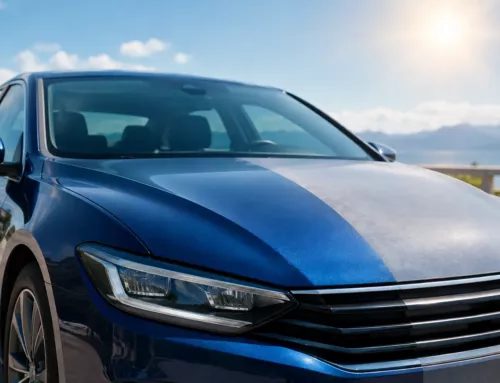
The most common sign is the web of fine swirls visible across the bonnet, roof or door panels in sunlight. These marks are usually caused by routine washing, drying towels that have collected grit, automatic car washes or poorly maintained wash equipment. They are especially noticeable on black, dark blue, grey and other deep colours, although they affect every paint colour.
A vehicle may also be a good candidate if it looks flat rather than glossy after washing, has light scratches around door handles and boot openings, or shows uneven reflections across its panels. Owners often notice this after buying a used car: the vehicle is mechanically sound and clean, yet the paintwork lacks the finish expected of it.
Paint correction can be particularly worthwhile before applying a ceramic coating or other paint protection. A coating preserves and enhances the condition underneath it. Applying one over swirl marks and dull paint may add gloss, but it will not remove those defects. Correcting the paint first gives the protection system a far better foundation and helps the final result look as impressive as it should.
When Correction Is Worth the Investment
Paint correction is often chosen before selling a vehicle, after purchasing one, ahead of a special occasion or as part of a longer-term ownership plan. It can make an everyday car feel renewed and can be especially valuable for classic, prestige and performance vehicles where presentation is a significant part of ownership.
It is also a practical choice for cars that receive regular care but have gradually accumulated wash marks over time. Rather than accepting a finish that looks permanently dull, a professional correction service can bring back the clarity that makes the original paint colour stand out.
That said, correction is not automatically the right answer for every vehicle or every panel. If paint is very thin, heavily weathered or has been resprayed to an uncertain standard, a more conservative approach may be appropriate. Similarly, stone chips, deep gouges and areas where paint has failed may require precision touch-up work or a bodywork solution rather than polishing alone.
A professional inspection provides a realistic plan. It should explain what can be improved, what is unlikely to disappear completely and which level of correction makes sense for the vehicle. Clear expectations are part of the highest level of professionalism – an honest result is always better than an exaggerated promise.
The Professional Process Behind a Clearer Finish
Quality paint correction begins with preparation. The vehicle needs a thorough, safe clean to remove road film, bonded contamination and residue that could interfere with polishing. The paintwork is then inspected in suitable lighting, as different light sources reveal different types of defects.
Where appropriate, paint depth readings help inform the approach. The detailer can then test a combination of machine, pad and polish on a small area before proceeding across the vehicle. This test section is essential: it shows the level of improvement available and allows the process to be tailored to that particular paint system.
During correction, panels are worked methodically and checked regularly. Edges, body lines and more delicate areas require particular care. The goal is controlled refinement, not aggressive polishing. Once the correction stages are complete, the paint is cleansed and inspected again to confirm the true finish before protection is applied.
This attention to detail is what separates professional paint correction from a quick machine polish. The visible outcome matters, but so does the judgement behind it. A finish should look exceptional in natural daylight as well as under workshop lighting, with clear reflections and a consistent gloss from panel to panel.
Choosing the Right Level of Paint Correction
A single-stage enhancement is often suitable for vehicles with moderate swirls and general dullness. It can deliver a substantial visual improvement while keeping the process efficient. This option is popular for newer cars that have been cared for reasonably well but no longer have the crisp finish they once did.
A multi-stage correction is more involved and is designed for paintwork with heavier defects. It may be appropriate for neglected vehicles, darker colours with obvious swirling, or cars that have been exposed to poor washing methods over several years. More correction does not always mean better; the right service is the one that achieves a strong improvement responsibly.
For some vehicles, a targeted approach makes the most sense. A bonnet, boot lid or a set of glossy black trim pieces may have suffered more than the rest of the car. Treating these areas can improve the overall presentation while keeping the work focused on the owner’s priorities.
Protecting the Result Afterwards
Once the paintwork has been corrected, protection helps keep it looking its best for longer. Ceramic coatings can provide durable chemical resistance, improved water behaviour and easier routine cleaning. High-quality paint protection also helps defend the surface against common contamination such as bird droppings, tree sap and road grime when these are removed promptly.
However, no coating makes paint completely scratch-proof. Safe washing and drying remain essential, because poor maintenance can still introduce fresh swirl marks. Protection makes the vehicle easier to care for and helps preserve the finish, but it does not replace careful handling.
For drivers across New Milton, the New Forest, Christchurch, Lymington and surrounding areas, X Studio Car provides paint correction tailored to the vehicle in front of us, from daily-driven SUVs to cherished classics and supercars. The focus is always on quality services, exceptional efficiency and a finish that gives you renewed pride whenever you approach your car.
If your paintwork looks clean but no longer looks clear, a professional assessment is the sensible next step. The best result is not simply a shinier car for one afternoon – it is a finish that reflects the care you put into owning it.