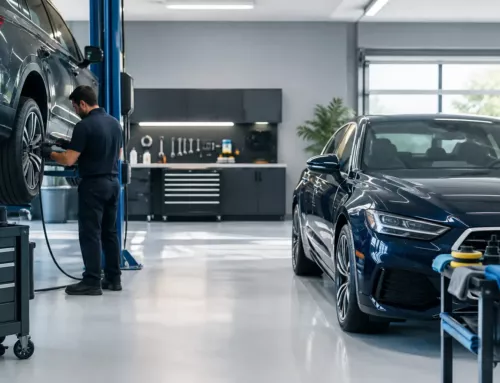

A car can be clean and still look tired. When paintwork has lost its depth, reflections appear hazy and the colour seems flatter than it should, the issue is usually more than surface dirt. Knowing how to restore dull paintwork starts with identifying what has affected the finish, then choosing a correction and protection process that suits the vehicle’s condition.
Dullness can develop gradually, so it is easy to overlook until a wash no longer delivers that freshly detailed appearance. Road film, fallout, sun exposure, poor washing methods and old protective products can all reduce gloss. The good news is that many vehicles can regain impressive clarity and colour depth with the right professional approach.
Why car paintwork becomes dull
Modern vehicle paint is normally protected by a clear coat. This upper layer creates the gloss you see, but it also takes the impact of daily driving, washing and weather. Fine scratches and swirl marks scatter light instead of reflecting it cleanly, making even a well-maintained car appear greyed, hazy or dull.
Contamination is another common cause. Brake dust, industrial fallout, tree sap, traffic film and bird droppings can bond to the surface. Left untreated, they can compromise the smoothness of the paint and, in some cases, mark the clear coat. Coastal air and regular exposure to damp conditions can add to the problem for vehicles around Hampshire and Dorset.
Sometimes the issue is simply exhausted protection. Traditional waxes and sealants wear away over time. Once they no longer repel water and contamination effectively, the paintwork is exposed to more grime and becomes harder to keep looking bright.
There is an important distinction between dull paint that can be corrected and paint that has failed. If clear coat is peeling, lifting or severely oxidised, polishing may not be the correct answer. Those signs can indicate damage beyond the surface and may require repainting rather than detailing. A professional inspection prevents time and money being spent on the wrong solution.
How to restore dull paintwork without taking risks
Restoring gloss is not a matter of applying the strongest polish available. Effective paint restoration is controlled, measured and tailored to the car. The aim is to remove or reduce the defects that obscure the finish while preserving as much healthy clear coat as possible.
Start with a proper assessment
A vehicle should be examined in suitable lighting before any correction work begins. Daylight can reveal general dullness, while dedicated inspection lighting exposes the swirls, scratches, holograms and sanding marks that interfere with reflection.
The detailer will assess the paint type, panel condition and likely history of the vehicle. A classic car, for example, may have thinner or repainted panels that need a particularly careful approach. A newer SUV may have durable but still scratch-prone clear coat, while prestige and supercar finishes often demand a more precise process due to complex panel shapes, sensitive trims and high visual expectations.
Paint-depth readings may also be taken where appropriate. This gives valuable information about the amount of material available for correction and helps identify panels that may have been repainted in the past. It is one reason professional paint correction is very different from a quick machine polish.
Clean and decontaminate before polishing
Polishing over bonded contamination is counterproductive. The paint must first be washed thoroughly using safe techniques, then chemically and mechanically decontaminated as needed. This removes embedded particles that ordinary washing cannot shift and leaves the surface smooth enough to assess accurately.
This stage often improves the appearance on its own. However, it will not remove swirl marks or deeper defects. Its real value is creating a clean foundation so the correction stage can work evenly and safely.
At home, avoid attempting to revive paintwork with washing-up liquid, harsh household cleaners, aggressive rubbing compounds or dry wiping. These shortcuts can strip protection, add fresh marring or worsen already compromised paint. If the car looks neglected, a careful professional clean is the sensible first step.
Match the polish and pad to the paint
Paint correction uses machine polishers, pads and abrasives selected for the condition of the finish. There is no single combination that suits every car. A light enhancement polish may be enough for a relatively new vehicle with minor wash marks, whereas a neglected finish may need a multi-stage correction process to achieve a substantial improvement.
The choice depends on defect severity, paint hardness, available clear coat and the result the owner wants. Removing every mark is not always appropriate or necessary. Deeper scratches may be too significant to remove safely, and chasing absolute perfection can mean removing more clear coat than is wise. A high-standard correction balances visible improvement with long-term paint preservation.
During polishing, the detailer works panel by panel, regularly checking progress. The surface is refined to improve clarity and reduce haze, leaving sharper reflections and richer colour. On darker cars especially, this refinement stage makes the difference between a finish that merely looks shiny and one that looks properly clear.
Choose the right level of paint correction
Not every dull car needs the same service. The most suitable option depends on its condition, age, use and future plans.
A gloss enhancement is often ideal for vehicles that are generally cared for but have lost their crispness. It can lift the overall appearance, improve reflection and prepare the car for protection without pursuing extensive defect removal.
A more comprehensive paint correction suits cars with widespread swirls, wash marring, light scratches and stubborn dullness. This is frequently the best route for owners who want to restore pride in a cherished car, prepare a prestige vehicle for sale, or reset the appearance of a recent purchase that has been poorly maintained.
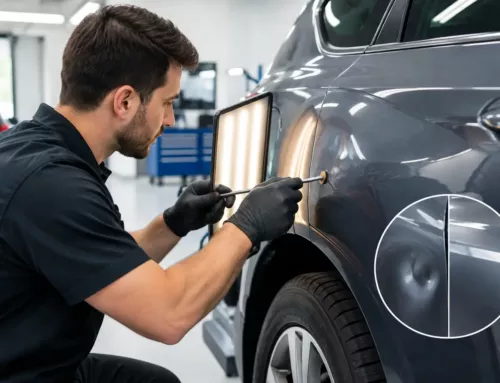
For isolated stone chips or small paint defects, precision touch-ups may complement correction work. They will not make a chip disappear in every case, but a careful approach can improve the visual distraction and help protect the affected area. Honest expectations matter: paint correction improves the clear coat; it cannot repair missing paint or deep panel damage without additional work.
Protect the finish after restoration
Corrected paintwork looks its best immediately after polishing, but the result should not be left unprotected. Freshly refined clear coat needs a suitable protective layer to reduce the impact of water, dirt, UV exposure and everyday contamination.
The right choice depends on how the vehicle is used and maintained. A quality wax or sealant can provide a pleasing finish and straightforward upkeep. A ceramic coating is a longer-term option for owners who want enhanced chemical resistance, easier cleaning and sustained gloss. It can help contamination release more readily from the surface, but it is not scratch-proof and it does not remove the need for careful washing.
Protection should be selected around the vehicle, not sold as a one-size-fits-all package. A daily-driven family 4×4 faces different demands from a weekend classic or a carefully stored supercar. The best result is one that looks exceptional and remains realistic to maintain.
Keep restored paintwork looking its best
Once dull paintwork has been corrected, maintenance determines how long that clarity lasts. Regular safe washing is more valuable than frequent harsh cleaning. Use clean, suitable wash media, avoid automatic brushes where possible and do not rub dust or road grime from a dry panel.
Bird droppings, tree sap and insect residue should be removed promptly using paint-safe methods, as these can mark the finish if left in place. It is also worth checking the car after winter journeys and long motorway runs, when contamination can build up quickly around lower panels and behind wheels.
A periodic detailing inspection is useful for vehicles that need to retain a high presentation standard. Protection can be assessed, contamination removed and small issues addressed before they become more noticeable. This is especially worthwhile before a special event, sale, collection handover or the change into a new season.
For owners in New Milton, Lymington, Christchurch and the surrounding area, X Studio Car can assess whether your vehicle needs a gloss enhancement, a more involved correction or protection to preserve an already healthy finish. The right work is not about making bold promises from a photograph. It is about looking closely at the paint, explaining the options clearly and delivering a finish that makes you want to look back at your car when you park it.