
A car seat stain rarely looks as small as it first appears. Coffee spills spread through fabric, muddy footprints settle into textured upholstery, and food residue can leave a mark and an odour long after the journey ends. A professional car seat stain removal service is designed to treat the source of the problem carefully, improving the appearance, comfort and overall presentation of your vehicle interior without taking unnecessary risks with the material.
For drivers who take pride in a well-kept vehicle, stained seats can undermine an otherwise clean, polished finish. Whether you own a family SUV, a daily saloon, a classic car or a higher-value vehicle, the right approach depends on the seat material, the age of the stain and what caused it.
Why car seat stains need a professional approach
Vehicle upholstery is not a single surface. Fabric seats, alcantara-style trims, leather, vinyl and mixed-material interiors all respond differently to moisture, cleaning agents and agitation. Treating every stain in the same way can create an uneven result, leave water marks or affect the texture and colour of the seat.
Professional stain removal begins with assessment. The upholstery type is identified, the stain is examined and the cleaning process is selected accordingly. Fresh tea, coffee and soft-drink marks often require a different treatment from oil-based residue, pet accidents, make-up, ink or ground-in mud. This is particularly relevant when the stain has already been treated at home, as leftover product can alter how the area responds to further cleaning.
The objective is not simply to make the visible mark less obvious. Careful interior cleaning aims to lift contamination from the fibres where possible, reduce lingering odours and leave the seat dry and presentable. It is a measured process that protects the interior while delivering a clear visual improvement.
What a car seat stain removal service involves
A quality service should be based on the condition of the seat rather than a one-size-fits-all cleaning routine. The area is first checked for colourfastness and material sensitivity. This helps determine the safest level of treatment and prevents an aggressive process from causing avoidable damage.
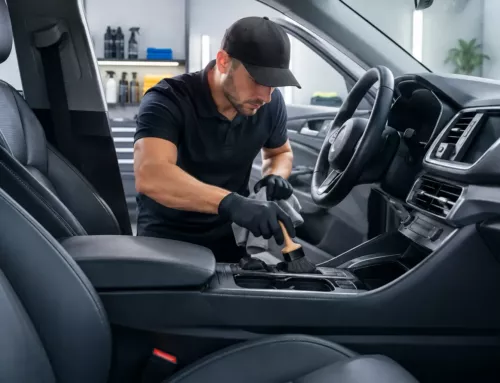
The surface is then prepared to remove loose debris, dust and grit. This matters because dirt trapped in the fabric can turn cleaning into abrasion, particularly on heavily used driver and passenger seats. The stain can then be treated with suitable products and controlled techniques intended to break down the contamination without over-wetting the upholstery.
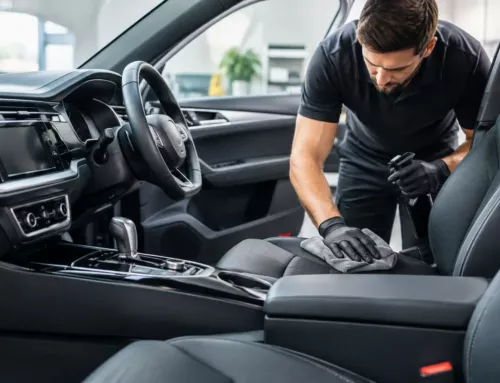
Extraction or low-moisture cleaning may be used where appropriate to remove dissolved dirt and cleaning residue from deeper within fabric seats. The seat is then left to dry correctly, with attention paid to the edges of the treated area so the finish remains consistent. For leather and delicate trims, the process needs even more restraint, with products selected to clean without stripping the material or leaving it overly dry.
A professional service also considers the wider interior. A seat stain may have transferred to carpet, door cards, centre consoles or seatbelts. Addressing these related areas can produce a more balanced result than cleaning one isolated patch while the surrounding surfaces remain marked.
Results depend on the stain, not just the cleaning process
Honest expectations matter. Many stains can be substantially improved or removed, particularly when treated promptly, but no specialist should promise that every mark will disappear completely. Old stains may have chemically changed the fibres, while dyes, ink, bleach, tanning products and certain oils can leave permanent discolouration.
The condition of the seat also plays a part. Wear, sun fading and previous harsh cleaning can make a treated area appear different from surrounding upholstery. A careful technician will explain what is realistic before beginning work, rather than relying on an overconfident claim that risks disappointment.
Common stains found in family and everyday vehicles
The most frequent interior stains often come from ordinary use: a rushed coffee on the morning commute, muddy shoes after a walk in the New Forest, children’s snacks on the school run or a pet returning from a wet day outside. These marks may be familiar, but they should not be ignored. As upholstery dries, residue can settle deeper into the fibres and odours may become more noticeable, especially in warm weather.
Food and drink stains can be particularly frustrating because the surface may look clean while sugars or proteins remain below it. These residues can attract further dirt and leave the seat feeling stiff or tacky. Mud and soil create a different issue: grit can work into the weave and make the upholstery look flat and tired. Pet-related contamination requires sensitive handling to address both the visible area and the cause of any remaining smell.
For leather seats, transfer from dark denim, make-up, sun cream and everyday skin oils can dull the finish around bolsters and armrests. Leather needs specialist care because excessive moisture or unsuitable products can affect its protective surface and natural appearance.
When it is worth booking professional stain removal
Prompt attention is usually beneficial, but professional treatment is especially worthwhile when a stain is noticeable from outside the vehicle, has an odour, keeps returning after drying or covers more than a small localised area. It is also a sensible choice before selling a vehicle, returning a lease car or preparing a cherished vehicle for an event.
Owners of premium, classic and performance vehicles often choose specialist interior care because replacement trim can be difficult or expensive to source. In these cases, preserving original upholstery is as important as improving its appearance. The same principle applies to newer cars with light-coloured interiors, where even a small stain can stand out sharply against otherwise immaculate trim.
There is also a practical benefit for busy households. A proper cleaning appointment saves time spent repeatedly trying to improve the same mark, only to leave a tide line, residue or damp patch behind. The focus is on an efficient, considered result that helps the cabin feel pleasant to use again.
Choosing the right level of interior care
A single stain does not always require a complete interior detail, but it can reveal that the cabin needs broader attention. If the seats are generally clean and the issue is limited to one accidental spill, targeted stain removal may be the most appropriate route. If several seats are marked, carpets are dull and the vehicle carries general odours, a more comprehensive interior clean may provide better value and a more consistent finish.
Vehicle size matters too. A compact hatchback, seven-seat 4×4 and estate used for family travel present very different amounts of upholstery, carpet and trim. The right service should account for the vehicle’s layout, the level of soiling and the time needed to treat it properly rather than rushing through a fixed checklist.
At X Studio Car, the same detail-led thinking applied to paint correction and surface protection is valuable inside the vehicle too: assess the condition, use the right process and focus on a finish that visibly improves ownership pride. For customers in New Milton and the surrounding Hampshire and Dorset area, that means clear advice and professional care matched to the vehicle in front of us.
Keeping a treated interior looking its best
Once the upholstery has been professionally cleaned, everyday care makes a genuine difference. Allow seats to dry fully before heavy use, deal with new spills promptly by blotting rather than rubbing, and avoid placing wet items directly on the seat. Regular interior valeting also helps stop dust, grit and everyday residue from becoming embedded over time.
The best time to arrange a car seat stain removal service is before a small mark becomes part of the interior’s permanent story. A clean, fresh seat changes more than a photograph for a sale advert – it makes every journey feel more comfortable, more cared for and more in keeping with the vehicle you are proud to drive.