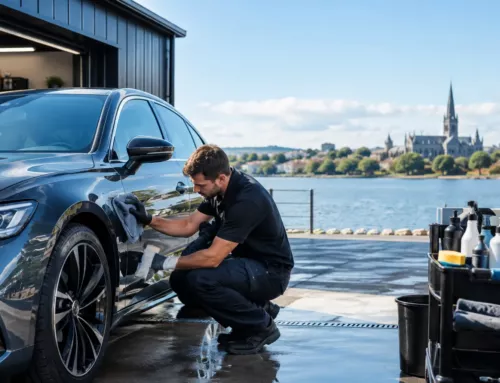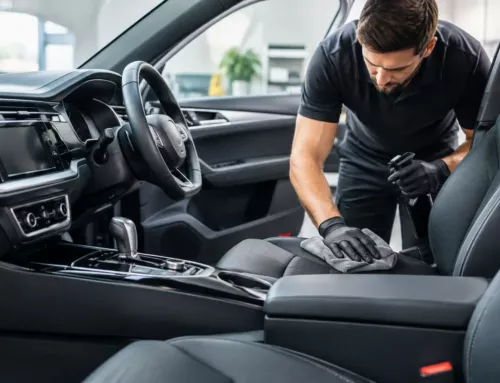

A clean windscreen and polished paintwork can make a strong first impression, but the cabin is where you experience your car every day. Interior detailing goes beyond a quick vacuum and wipe-down. It focuses on the areas that hold dust, grit, spills, odours and everyday wear, restoring a fresher, more comfortable environment for every journey.
For busy family cars, commuter vehicles, prestige models and classics alike, a properly detailed interior protects the part of the vehicle you use most. It can also make a genuine difference when preparing a car for sale, returning a lease vehicle, or simply bringing pride back to a cabin that has started to feel tired.
What interior detailing actually involves
Interior detailing is a methodical deep-cleaning service tailored to the vehicle’s materials, size and condition. Rather than treating the cabin as one surface, a professional detail separates it into individual areas: carpets, seats, mats, door shuts, dashboard, centre console, headlining, glass, vents and luggage space all require an appropriate approach.
Loose contamination is removed first, including grit from footwells, debris beneath the seats and dust from seams, switches and air vents. Attention then turns to more stubborn soiling. Fabric upholstery and carpets may need careful shampooing or extraction, while leather requires suitable cleaning and conditioning to remove grime without leaving the surface slippery, shiny or over-saturated.
The aim is not to make every material look artificially new. A quality finish should look clean, even and properly cared for. Factory matt trims should retain their natural appearance, leather should feel clean and supple, and interior glass should be clear without smears or residue.
The difference between a valet and a deep interior clean
A regular valet is valuable for ongoing maintenance. It keeps on top of visible dust, light dirt and general presentation. However, it is usually designed for speed and routine upkeep rather than the deeper contamination that gradually settles into a vehicle.
Interior detailing takes more time because it addresses the places a standard clean may not fully reach. This can include seat runners, pedal areas, cup holders, door pockets, boot carpets, stitching, trim joins and the narrow gaps around controls. It also allows more time for fabric cleaning, odour treatment and drying where required.
The right option depends on the vehicle. A well-kept saloon used mainly for commuting may benefit from periodic maintenance valeting, while a family SUV with muddy footwear, pet hair and food spills will often need a more intensive interior service. A classic or prestige car may call for a gentler, material-specific process to preserve delicate leather, original trim and older fabrics.
Signs your vehicle needs interior detailing
Most interiors become gradually dirtier, which makes it easy to overlook the change. You may first notice that the cabin no longer smells fresh, the windscreen seems to mark easily from the inside, or the carpets look darker around the pedals and rear footwells. These are common signs that surface cleaning is no longer enough.
Stains on fabric seats, sticky controls, pet hair, sand, crumbs and salt marks all benefit from professional attention. So do vehicles used regularly by children, dogs, tradespeople or drivers who spend long hours on the road. Even a car that appears tidy can hold dust and debris in vents, seat creases and hidden storage areas.
Odours deserve particular care. Air fresheners may temporarily cover a smell, but they do not deal with its source. Spilled drinks, damp carpets, food residue, pet contamination and smoking can all leave lasting odours if they are not properly assessed and cleaned. Effective treatment begins with identifying the affected area rather than applying fragrance over the top.
Why material knowledge matters
Modern vehicle interiors often combine several surfaces in a very small space. One cabin may contain soft-touch plastics, piano-black trim, leather, Alcantara-style upholstery, fabric, rubber, chrome, gloss screens and delicate headlining. Each material responds differently to moisture, pressure, heat and cleaning products.
That is why a one-product approach is rarely suitable. Overly aggressive cleaning can leave trim patchy, cause excess shine on matt surfaces or introduce unnecessary moisture into sensitive areas. Equally, using too much liquid on upholstery can lead to longer drying times and a damp feel inside the vehicle.
Professional interior detailing is about controlled cleaning. Products and techniques should be selected for the surface in front of the detailer, not simply for what is quickest. This is especially relevant for supercars, classic cars and high-value vehicles, where distinctive materials and intricate interiors require patience as well as technical knowledge.
Leather, fabric and Alcantara-style upholstery
Leather can collect body oils, dye transfer from clothing and dirt in its grain, particularly on the driver’s seat, steering wheel and armrests. A proper clean can improve its appearance and feel, followed by suitable protection or conditioning where appropriate. The objective is a clean, natural finish rather than a glossy coating.
Fabric seats and carpets can retain more contamination beneath the surface. Their treatment depends on the type of stain, how long it has been present and whether previous products have been used. Some marks can improve significantly, while older staining, dye damage or wear may not disappear completely. Clear expectations matter, particularly with pale upholstery or heavily used family vehicles.
Alcantara-style materials require a careful touch. Excessive brushing, saturation or unsuitable products can affect the texture and direction of the fibres. Specialist cleaning is designed to lift dirt while respecting the finish that makes these interiors distinctive.
Interior detailing and vehicle value
A clean interior does more than make driving more pleasant. It helps demonstrate that a vehicle has been cared for. When a prospective buyer opens the door, the condition of the steering wheel, seat bolsters, carpets, screens and luggage area often influences their impression before the engine has even started.
For cars approaching sale or part-exchange, detailing can help present the vehicle honestly and at its best. It will not reverse worn leather, torn fabric or damaged trim, but it can remove avoidable grime and reveal the true condition of the cabin. That makes the vehicle easier to assess and more appealing to view.
For owners keeping their car, routine professional care helps prevent dirt becoming ingrained. This is particularly useful in Hampshire and Dorset, where wet walks, coastal sand, muddy New Forest roads and everyday school runs can quickly find their way into footwells and boots.
A service matched to how you use your car
The best interior service starts with the car’s real condition, not a generic checklist. A seven-seat 4×4 needs every seating row, floor area and storage compartment considered. An estate may need special attention in the luggage compartment. A two-seat sports car may have less carpet area but far more delicate trim, low seating and intricate controls.
At X Studio Car, the focus is on quality services delivered with the highest level of professionalism. Before work begins, the condition of the interior can be assessed so the cleaning process matches the vehicle, its materials and the result you want to achieve. This creates a more efficient service and avoids treating a cherished vehicle like an ordinary quick clean.
It is also sensible to plan interior care around the way the car is used. A vehicle carrying pets or young children may need deeper cleaning more regularly. A weekend classic may benefit from periodic dust removal, leather care and careful glass cleaning, even if it rarely sees muddy roads. There is no single interval that suits every owner.
Keeping the finish feeling fresh
Once the cabin has been professionally detailed, everyday habits make a difference. Removing rubbish promptly, using suitable mats during wet weather and addressing fresh spills early can reduce the build-up between appointments. These simple measures are especially helpful in cars with light carpets, pale leather or frequently used rear seats.
A professionally cleaned cabin changes the relationship you have with your vehicle. The steering wheel feels better in hand, the glass is clearer in low winter sun, passengers notice the difference, and every trip starts in a space that feels properly cared for. When your interior no longer reflects the standard you expect from your car, a detailed clean is a practical way to put that right.