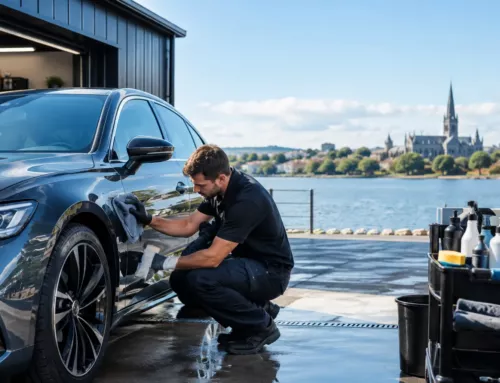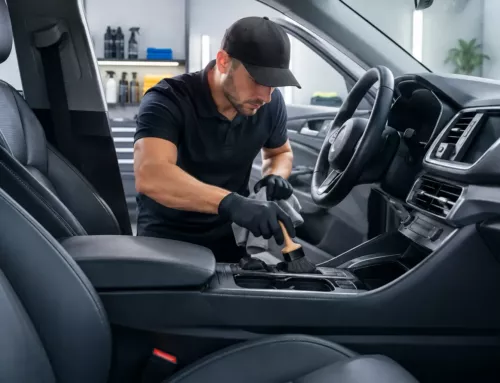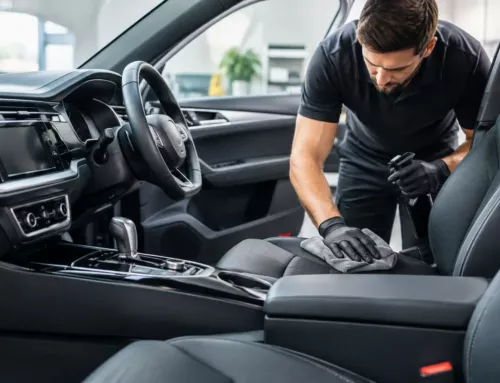

A new ceramic coating can make paintwork look remarkably crisp, glossy and easy to clean. But does ceramic coating prevent scratches? Not completely. It adds a durable, protective layer that can reduce light marring and everyday wash-induced marks, but it cannot make a vehicle’s paint scratch-proof.
That distinction matters. A quality coating is designed to preserve a well-corrected finish, not to replace careful washing, sensible parking or professional paint protection. When expectations are realistic, ceramic coating is one of the most effective ways to keep a car looking exceptional for longer.
Does ceramic coating prevent scratches?
Ceramic coating can help resist very light scratches and swirl marks, particularly the fine surface defects caused by dust, routine washing and contact with soft materials. Once cured, the coating forms a hard, chemically resistant layer over the clear coat. This can reduce friction at the surface and make contamination less likely to bond tightly to the paint.
However, the coating is only microns thick. It cannot absorb the force of a key, a trolley, a hedge branch, loose stones, a careless car-door edge or a heavy object dragged across the panel. Those incidents can still mark the coating and, depending on their depth, the paint beneath it.
Think of ceramic coating as high-quality surface protection rather than armour. It improves the paintwork’s resistance to the small, repeated stresses of normal use, while making the vehicle far easier to maintain safely.
What a ceramic coating protects against well
The greatest benefit is not simply scratch resistance. Ceramic coatings offer broad protection from the contaminants that gradually leave a vehicle looking flat, tired and difficult to clean.
A professionally applied coating helps repel water, road film and grime. This hydrophobic behaviour means water tends to bead and sheet away, taking some loose dirt with it. Washing becomes more efficient because contamination is less likely to cling directly to the paintwork.
Coatings also provide valuable resistance to UV exposure, bird droppings, tree sap, traffic film and industrial fallout. These substances can stain or etch unprotected clear coat if they are left in place, especially during warmer weather. A coating creates a sacrificial barrier that gives the surface a stronger first line of defence and more time for contamination to be removed correctly.
For owners of dark-coloured cars, prestige vehicles and well-kept classics, this matters because a clean, protected surface holds its depth and clarity more effectively. On a daily-driven SUV or family car, it can mean less effort is needed to keep the vehicle presentable between professional visits.
The difference between swirl marks and deeper scratches
Not all scratches are the same, and this is where ceramic coating is often misunderstood. Fine swirl marks are shallow defects in the uppermost surface. They are commonly created when dirt is moved across paint during rushed washing or drying. A ceramic coating can reduce the likelihood of these light marks because it creates a slicker surface and allows dirt to release more readily.
A deeper scratch has cut through the coating and into the clear coat, base colour or even primer. No ceramic coating can stop this reliably. If a scratch catches a fingernail, it may require paint correction, a precision paint touch-up or a more detailed assessment before protection is reapplied.
It is also possible for marks to appear in the coating itself rather than the paint beneath. This is preferable, as the coating has taken some of the impact. In certain cases, a professional can assess whether the affected area can be refined and recoated without extensive work to the original paint.
Ceramic coating is not paint protection film
Ceramic coating and paint protection film serve different purposes. Coating is excellent for gloss, water behaviour, chemical resistance and easier maintenance. Paint protection film is a thicker physical film designed to offer greater resistance against stone chips and contact damage in vulnerable areas.
For many vehicles, a ceramic coating is the right balance of appearance, protection and ongoing care. For cars that face frequent motorway mileage, narrow country lanes or demanding use, a detailing professional can explain where additional physical protection may be worthwhile. The best choice depends on how the car is driven, stored and valued by its owner.
Why preparation determines the result
Applying ceramic coating over dull paint, wash marks or existing scratches does not remove those imperfections. In fact, the added gloss can make them more noticeable. Proper preparation is what separates a lasting, high-standard result from a coating that merely sits on an imperfect surface.
Professional detailing begins with careful cleaning and decontamination to remove bonded fallout, tar, traffic film and other residues. The paintwork is then inspected under suitable lighting. Where appropriate, paint correction refines the clear coat and reduces swirls, hazing and light scratches, restoring clarity and depth before the coating is applied.
This process is particularly valuable for used cars, vehicles that have been through automated car washes, and darker finishes that reveal every mark in direct sunlight. Newer vehicles benefit too. Delivery preparation, storage contamination and routine dealership washing can leave defects behind before an owner has properly enjoyed the car.
At X Studio Car, coating work is approached as a paint-preservation service, not a quick add-on. The condition of the vehicle, its paint type and the owner’s expectations should guide the preparation and protection plan.
How to keep a coated car looking its best
A ceramic coating reduces maintenance effort, but it does not eliminate maintenance. Dirt still lands on the vehicle, and abrasive particles can still cause damage if they are rubbed across the surface.
The key is to avoid treating a coated car as indestructible. Prompt removal of bird droppings, tree sap and fresh contamination helps prevent them from dwelling on the surface. Regular, careful cleaning preserves the coating’s water behaviour and limits the build-up that can make any paintwork look dull.
Avoid automatic brush washes where possible. Their brushes may carry grit from previous vehicles, creating the fine circular marks that coatings are intended to reduce. Harsh products can also affect the coating’s performance over time. If a vehicle needs a deeper clean, professional valeting and maintenance washing provide a safer route than aggressive scrubbing.
Parking choices make a difference as well. A coating will help when the car encounters rain, dust or road film, but it cannot prevent contact damage from tight spaces, overhanging vegetation or poorly placed bins and trolleys. Protection works best alongside sensible everyday care.
When a ceramic coating makes sense
Ceramic coating is a strong choice for owners who want their car to retain a freshly detailed appearance, spend less time battling stubborn dirt and protect paint from the gradual effects of weather and contamination. It suits daily drivers, cherished classics, executive saloons, seven-seat 4x4s and high-performance cars alike, provided the service is tailored to the vehicle’s condition and use.
It may be especially worthwhile after paint correction, when the finish has been restored and deserves to be preserved. It is also a practical option for newer cars whose owners want to protect the paint before everyday wear becomes established.
The value is not in a claim that scratches will never happen. The value is in a better-looking, easier-to-maintain surface with meaningful resistance to the elements and light day-to-day wear. For vehicle owners across New Milton, the New Forest and surrounding Hampshire and Dorset areas, a professional inspection can clarify what the paint needs now and what level of protection will make sense over the miles ahead.
A ceramic coating should leave you confident about using and enjoying your car, not anxious about every raindrop or dusty road. Give the paintwork the preparation it deserves, maintain it with care, and the finish will continue to reward you each time you walk back to the vehicle.