
A stone chip on a bonnet can seem minor until it catches the light every time you approach the car. Left exposed, that small break in the paint can also allow moisture and contamination towards the metal beneath. Understanding how paint touch ups work helps you decide when a precise local repair is the right answer – and when a more involved paint correction or bodyshop repair may be needed.
Professional touch-ups are designed to reduce the visibility of isolated chips, fine scratches and small areas of paint loss while restoring a layer of protection. The best results come from careful preparation, accurate colour matching and controlled application, not simply adding paint to a damaged area.
How paint touch ups work in practice
Modern vehicle paintwork is a layered system. Beneath the visible colour sits a primer layer, and above it is usually a clear coat that provides gloss and helps protect the colour from weathering, road film and ultraviolet light. A chip may only affect the clear coat, reach the colour coat, or go through to primer or bare metal. The depth of the damage determines how the repair should be approached.
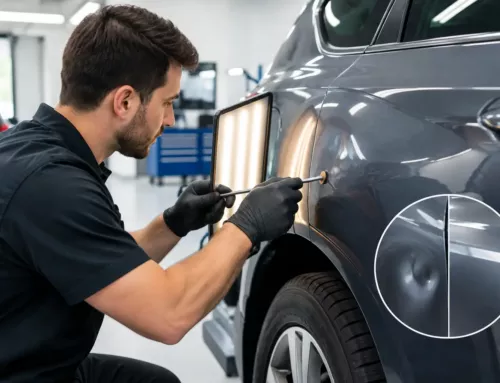
A precision touch-up focuses on rebuilding the missing layers in a small, controlled area. The damaged point is cleaned and assessed first. Any loose paint, traffic film, wax residue or contamination around the chip can prevent the new material from bonding correctly, so surface preparation matters as much as the paint itself.
Where bare metal is exposed, the area may require an appropriate primer before colour is added. The colour is then applied gradually rather than in one heavy application. This gives the repair a better chance of sitting level with the surrounding paintwork. Once the colour has cured sufficiently, a clear coat may be applied to restore protection and improve the visual blend.
The final stages are where professional care becomes particularly visible. Once the repaired area has cured, it can be refined carefully to reduce excess material and improve gloss. The aim is not to make promises of an invisible repair in every circumstance. Rather, it is to make the defect far less distracting while sealing and protecting the damaged area properly.
Why colour matching is more than finding the paint code
Every vehicle has a manufacturer paint code, normally shown on a label or plate in the vehicle. This is the correct starting point, but it is not the entire story. Paint changes with age, exposure to sunlight, previous repairs and the way metallic or pearl particles sit in the finish. Two cars wearing the same factory colour can look slightly different after several years on the road.
This is especially relevant on metallic greys, silvers, reds, blues and pearl finishes. The angle and density of the metallic flake can alter how the colour appears in direct sunlight compared with shade. A quality service will assess the area in suitable lighting and use the paint code alongside the actual appearance of the vehicle.
On a newer car with a small, fresh chip, a close match can blend exceptionally well. On older paintwork with fading or a large damaged section, a touch-up may remain visible at close range even when the correct paint has been used. This is not poor workmanship – it is the practical limit of repairing a tiny section within weathered surrounding paint.
What paint touch-ups can improve
Paint touch-ups are particularly effective for isolated stone chips on bonnets, front bumpers, wing mirrors and lower door areas. These are high-impact zones that collect debris from daily driving. Small loading marks around a boot opening, light paint loss near door edges and shallow scratches that have broken through the colour can also be suitable candidates.
The benefits are both cosmetic and protective. A carefully completed repair reduces the contrast between a dark chip and the body colour, so the eye is not drawn to it as quickly. More importantly, it helps cover vulnerable paint edges and exposed substrate before corrosion or further lifting of the surrounding paint can develop.
Touch-ups are often a sensible choice before selling a vehicle, after a long motorway journey, or as part of a wider detailing appointment. They can complement paint correction and protection work by dealing with the small areas of paint loss that polishing alone cannot remove.
When a touch-up is not the best repair
There are occasions when localised touch-up work is not the right solution. A deep scratch extending across a large section of a door, a crease with paint damage, cracked bumper paint, peeling clear coat or corrosion spreading beneath the surface may require bodyshop repair and repainting.
Likewise, paint correction can reduce or remove many superficial marks, but it cannot replace missing paint. If a scratch has only affected the clear coat, correction may produce a cleaner result than a touch-up. If it has penetrated the colour, touch-up work may be appropriate, provided the damaged area is small and stable.
The location also matters. A chip on a flat bonnet can often be improved neatly. Damage on a sharp bodyline, panel edge or complex curve requires extra judgement because light naturally catches those areas. On prestige, classic and enthusiast vehicles, the right decision may be to preserve original paint with a sympathetic precision repair rather than repainting an entire panel. It depends on the condition of the paint, the vehicle’s use and the owner’s expectations.
The difference between a quick cover-up and a refined repair
The most noticeable touch-ups are often caused by rushing. Paint applied too heavily can leave a raised blob. Paint applied over dirt or wax may not adhere as it should. Inaccurate colour, uneven clear coat and poor curing conditions can all leave the repair more visible than necessary.
A refined process takes time because it is built around control. The technician assesses the defect, selects suitable materials, prepares only the area needed and allows each stage to settle appropriately. The work is then inspected under different lighting conditions before the finish is refined.
This measured approach also protects the surrounding paintwork. Aggressive sanding or polishing close to a small chip can create further unnecessary risk, particularly on thin paint, edges and previously repaired panels. Professional detailing is as much about knowing what not to remove as it is about improving what is visible.
Aftercare following a paint touch-up
Freshly repaired paint needs time to settle and cure. The exact aftercare period depends on the products used, the weather and the depth of the repair. During this period, avoid harsh cleaning chemicals, abrasive wash tools and unnecessary rubbing over the repaired point.
Once the repair has cured, regular safe washing helps keep contamination from building up around it. Bird droppings, tree sap, road salt and industrial fallout should be removed promptly, as these contaminants can affect even healthy paintwork if left in place. A suitable paint protection treatment can also support easier maintenance, although no coating makes paint completely scratch-proof or removes the need for careful washing.
For owners who take pride in a consistently sharp finish, it makes sense to inspect high-impact areas periodically. Bonnet edges, front bumpers, sills and door edges often reveal new chips first, especially on cars used regularly through Hampshire and Dorset’s coastal roads, country lanes and motorway routes.
Choosing the right standard for your car
Paint touch-up work should match the vehicle and the outcome you want. A well-used family SUV may need small chips sealed and made far less noticeable before winter. A cherished classic may call for a more considered approach that respects original paint. A prestige saloon or supercar may benefit from touch-ups as part of a detailed paint enhancement and protection plan.
At X Studio Car, precision paint touch-ups are approached as part of the vehicle’s wider appearance, not as a quick cosmetic shortcut. A proper assessment makes it clear what can be improved, what should be protected and where a different repair route would provide the better long-term result.
Small paint defects do not have to take attention away from an otherwise well-kept car. Addressing them early, with the right materials and a careful finish, keeps the paintwork looking considered and helps preserve the pride you feel every time you see your vehicle.