
A professional valet is not judged by how much foam covers the vehicle. It is judged by what remains afterwards: clean, clear glass, fresh upholstery, consistent finishes and paintwork that has been treated with care rather than hurried through a wash. Knowing how to professionally valet a car means working methodically, assessing the vehicle first and using a process that improves its appearance without creating fresh marks or damage.
For a family SUV that has seen school runs, a classic car with delicate trim or a cherished saloon with tired-looking paint, the standard should be the same: every surface receives the right level of attention. The time required, however, will depend on the vehicle’s size, materials and condition.
Start with a proper vehicle assessment
A professional valet begins before any cleaning product is used. Walk around the car in good light and assess the condition of the paintwork, wheels, glass, interior fabrics, leather, trims and brightwork. Look for existing scratches, stone chips, ingrained contamination, faded plastics, stains, pet hair, odours and areas of damage that need more than routine valeting.
This inspection helps set realistic expectations. A valet can significantly refresh a neglected vehicle, but it cannot remove deep scratches, failing clear coat or damaged paint. Those concerns may require paint correction or precision touch-up work instead. Explaining this distinction protects the customer’s expectations and ensures the correct service is selected.
It also allows the work to be planned in the right order. A lightly used hatchback may need a thorough maintenance valet, while a seven-seat 4×4 may need additional time for carpets, seat creases, door shuts and luggage areas. Supercars and classics often call for a more cautious approach because of sensitive finishes, specialist materials and difficult-to-reach areas.
Clean the exterior without adding defects
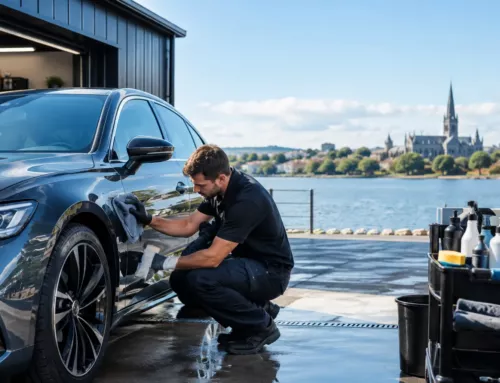
The exterior wash is where professional discipline matters most. Dirt is abrasive. If it is dragged across paintwork during a rushed wash, it can leave fine scratches and dull the finish. The aim is to remove contamination as safely as possible, beginning with the dirtiest areas rather than immediately rubbing at the bodywork.
Wheels, tyres, arches and lower sections usually require focused attention because they collect brake dust, road film and mud. These areas should be treated using equipment and products kept separate from those used on painted panels. That separation is a small detail, but it helps prevent gritty residue finding its way onto more delicate surfaces.
After the initial removal of loose contamination, the remaining wash should be carried out with clean wash media, plenty of lubrication and controlled movements. Panel gaps, badges, grilles, fuel flaps, door shuts and number plate surrounds deserve particular attention. They are often the difference between a car that looks washed and one that looks properly valeted.
Drying should be equally considered. Water left in mirrors, trims, grilles and shuts can run out later and spoil an otherwise finished vehicle. A clean, careful drying process also gives the valeter another opportunity to identify bonded contamination, paint defects or areas that may benefit from further correction and protection.
Decontamination and paint condition
A car can look clean while still feeling rough to the touch. Road film, industrial fallout, tar and other bonded contaminants can sit on the surface and reduce gloss. Where appropriate, a professional decontamination stage prepares the paintwork for protection and creates a smoother, clearer finish.
This is also the point at which a valeter should recognise the limit of a standard valet. If the paint has swirl marks, oxidation, dullness or visible scratches, simply applying a dressing or protective product may temporarily improve its appearance without resolving the cause. Paint correction is a separate, skilled process designed to refine defects and restore clarity before protection is applied.
Give the interior the same level of care
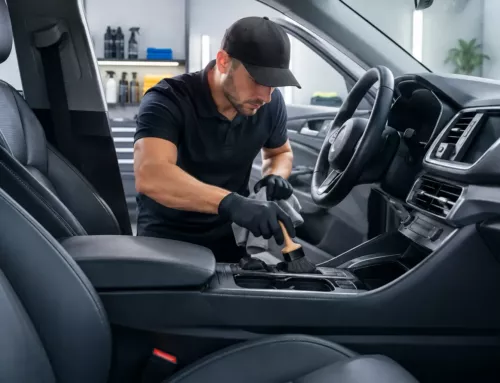
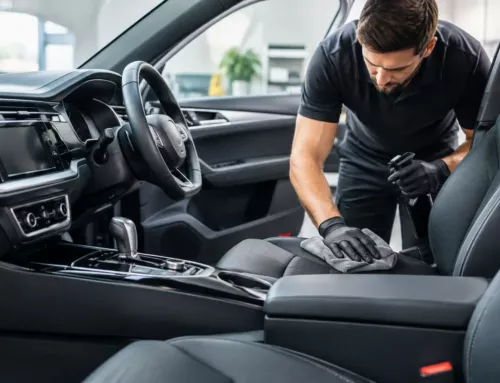
An excellent exterior can be undermined by dusty vents, marked door cards or carpets that still hold grit. Interior valeting is not simply vacuuming the footwells. It is a detailed clean of the areas the driver and passengers see, touch and use every day.
Begin by removing rubbish and loose items only with the owner’s permission, then vacuum thoroughly through the cabin, seats, mats, boot and hard-to-reach edges. Seat rails, pedal areas, pockets, storage compartments and the gap between seats and centre console are common places for debris to build up.
Each material requires an appropriate method. Leather should be cleaned and maintained without leaving an overly glossy or slippery finish. Fabric seats and carpets may need deeper treatment where stains or odours are present, although results will depend on the age and type of staining. Piano black trims, touchscreens and instrument displays need especially gentle handling because they mark easily.
The professional standard is a clean, natural-looking interior. Dashboard and trim finishes should look even rather than artificially shiny, while glass should be clear and free from smears in changing light. Finally, inspect the cabin from every seating position. A missed mark on the inside of a windscreen or dust in an air vent is easy for the owner to notice straight away.
Refresh the details that shape the finished look
The finishing stages turn a clean vehicle into a properly presented one. Tyres should be clean and evenly dressed, not soaked in product. Exterior plastics and rubber seals should look maintained rather than greasy. Glass, mirrors and lights should be inspected from multiple angles, particularly around edges and corners where residue can remain.
Door shuts, fuel filler areas and boot openings are worth revisiting before handover. These are practical areas that customers use regularly, and clean shuts immediately reinforce the quality of the work. Number plates, exhaust tips and badges may also need careful attention, depending on their condition and the scope of the valet.
Fragrance should be used sparingly, if at all. A clean cabin is the priority. Strong scents can mask an underlying issue rather than improve the customer experience, particularly where a vehicle has moisture, pet or smoke-related odours that need more targeted treatment.
Protect the result where it adds value
A professional valet should not stop at appearance. Appropriate protection helps make ongoing maintenance easier and supports the condition of the vehicle between appointments. The best option depends on the paint condition, how the car is stored, its mileage and the owner’s expectations.
A quality protective finish can improve water behaviour, add gloss and reduce how firmly everyday contamination adheres to the surface. For newer vehicles or cars that have undergone correction, ceramic coating systems may offer a longer-term solution when properly prepared and applied. They help protect against environmental contamination and make washing more manageable, but they do not make paintwork completely scratch-proof or remove the need for careful maintenance.
For many owners, the right choice is a tailored combination of professional valeting and periodic protection. A daily-driven estate parked outside faces different challenges from a weekend classic kept in a garage. The service should suit the vehicle, not follow a one-size-fits-all routine.
Carry out a final quality check before handover
The final inspection should be unhurried. Check the car indoors or in controlled light where possible, then look at it again from different angles. Open the doors, boot and fuel flap. Test that no water has run from trims or mirrors. Inspect glass for smears, check wheels for residue and make sure interior controls, screens and touch points are clean.
A professional handover also includes a straightforward explanation of what has been completed, any defects identified and how best to maintain the finish. This is particularly valuable after paint correction or a ceramic coating, when the owner needs clear, sensible guidance rather than vague promises.
At X Studio Car, the focus is on quality services that respect the individual vehicle, whether it is a small car, a family 4×4, a classic or a high-value performance vehicle. The best valet leaves more than a short-lived shine. It restores the satisfaction of getting into a car that looks cared for, feels fresh and is ready for the miles ahead.