
A vehicle can be clean and still fail to look its best. Fine wash marks, dull paintwork, embedded contamination and tired interior surfaces can remain long after a standard clean. Understanding car detailing versus valeting helps you choose a service that matches your vehicle’s actual condition, whether it needs a smart refresh for everyday use or more intensive correction and protection.
For owners across New Milton, the New Forest and the wider Hampshire and Dorset area, the right choice is rarely about selecting the biggest service. It is about deciding what result matters most: a thoroughly clean vehicle, a restored finish, lasting paint protection, or a combination of all three.
Car Detailing Versus Valeting: The Core Difference
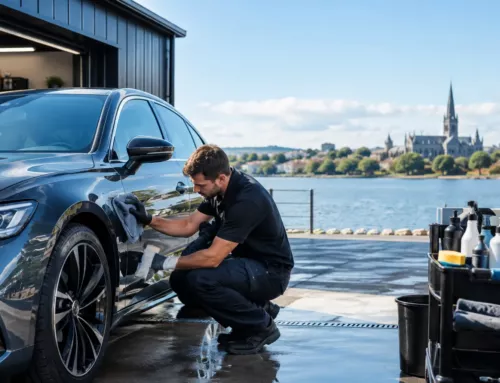
Valeting focuses on cleanliness, presentation and convenience. It is the professional answer when a vehicle needs to be brought back to a fresh, well-kept standard inside and out. A quality valet removes the visible effects of regular driving: road film, brake dust, mud, fingerprints, crumbs, pet hair and the general build-up that makes a car feel neglected.
Detailing goes further. It is a more precise, condition-led process that addresses the appearance and preservation of individual surfaces. Rather than simply washing paintwork, a detailer examines its condition under suitable lighting, identifies defects such as swirl marks, scratches and oxidation, then selects the appropriate methods to improve clarity, gloss and depth.
The distinction is not that one service is good and the other is better. They solve different problems. A valet maintains a vehicle that is generally in good order. Detailing improves and protects a vehicle where the finish needs more specialist attention.
What a Professional Valet Is Designed to Achieve
A professional valet is ideal for drivers who want their car to feel clean, comfortable and presentable without requiring paint correction. Depending on the agreed service, this may include a careful exterior wash, wheel cleaning, tyre dressing, vacuuming, interior wipe-downs, glass cleaning and attention to the areas often missed during a quick clean.
The result should be immediately noticeable. The cabin feels fresher, the exterior looks sharper and the vehicle is ready for daily use, a special occasion, a return from a family holiday or simply the satisfaction of driving something properly cared for.
Valeting is also a sensible regular maintenance choice. A family SUV carrying children, dogs and sports equipment may need periodic deep cleaning to keep the interior hygienic and pleasant. A business saloon may need a smart, dependable appearance between meetings. In these cases, a quality valet can deliver exactly the right level of care without undertaking correction work that the paintwork does not require.
What Car Detailing Adds
Car detailing is for owners who notice that their paintwork has lost its crispness, even though the vehicle is clean. It is often the right option for newer cars that need protection from environmental contamination, prestige vehicles where presentation matters, classics with delicate finishes, or any car with visible marks and dullness.
The work is more methodical. Surfaces are cleaned and decontaminated before their condition is assessed. Where suitable, paint correction can reduce the appearance of swirl marks, light scratches, haze and other imperfections that interrupt reflections. This is not a quick polish intended to mask defects temporarily. It is a careful process designed to enhance the paintwork as safely and effectively as its thickness, history and condition allow.
Detailing can also include professional-grade protection, such as a ceramic coating or other paint protection treatment. These products can make routine washing easier, improve water behaviour and help shield the surface from bird droppings, road grime and airborne contamination. A ceramic coating is not scratch-proof, and it does not remove the need for careful maintenance, but it can provide meaningful, long-term support for a well-prepared finish.
The Result You Can Expect From Each Service
The easiest way to compare car detailing versus valeting is to look at the finish rather than the service name. After valeting, the vehicle should look clean, tidy and refreshed. Its interior should be more comfortable to use, and its exterior should present well from normal viewing distance.
After detailing, the objective is greater visual refinement. Paintwork may appear glossier and clearer because light reflects more evenly from a corrected surface. Dark colours can regain depth, metallic paint can look more defined and panel lines can appear sharper. On a well-maintained vehicle, the difference can be striking. On older or more heavily marked paintwork, the improvement depends on what can be achieved responsibly without compromising the surface.
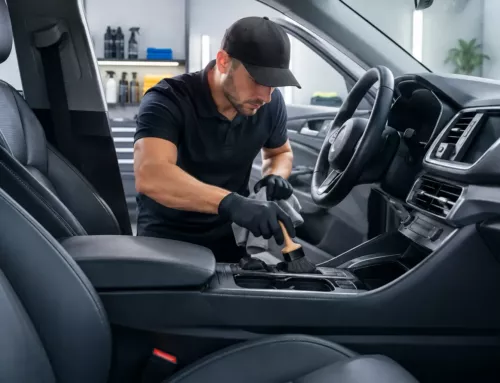
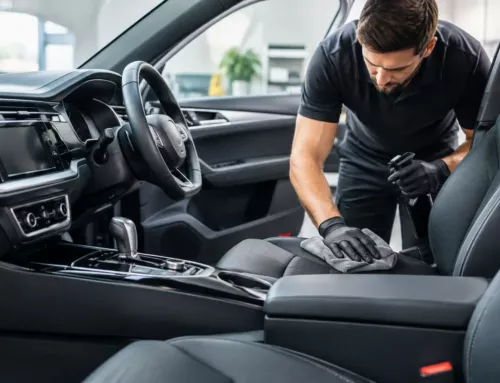
Interior detailing follows a similar principle. A valet can restore day-to-day cleanliness, while an interior detailing service focuses more closely on ingrained dirt, neglected areas and the materials themselves. Leather, fabric, trim, carpets and high-touch surfaces each require an appropriate approach. This level of care is especially valuable before selling a vehicle, after a long period of family use, or when a car has simply not received the attention it deserves.
Which Service Does Your Vehicle Need?
Start with the condition of the car and the outcome you want. If the paintwork looks healthy, but the vehicle is dirty from commuting, coastal roads or everyday family life, valeting is likely the practical choice. It provides a clean, polished appearance and keeps on top of the wear that builds up between more intensive treatments.
If you can see circular wash marks in sunlight, feel that the paint looks flat after washing, or want to preserve a newer vehicle from the outset, detailing deserves consideration. The same applies if you own a classic, performance car or supercar where every panel receives closer attention and surface preservation is part of ownership.
There are also occasions when combining services makes sense. A full interior and exterior clean may be the starting point, followed by paint correction and protection where the vehicle’s condition justifies it. This approach avoids paying for work that has no real benefit while ensuring the areas that need specialist attention receive it.
Vehicle size also affects the plan. A compact hatchback, a large seven-seat 4×4 and an estate used for regular travel do not carry the same amount of interior space, paintwork or contamination. The best service is tailored to the vehicle, not selected from a one-size-fits-all label.
Why Paint Correction Changes the Conversation
Paint correction is one of the clearest dividing lines between detailing and valeting. It refers to the skilled refinement of paintwork to reduce visible imperfections. A valet may enhance gloss through careful cleaning and finishing products, but it does not usually involve the measured correction process required to address defects in the clear coat.
This matters because scratches and swirl marks are not all alike. Some are light and may be improved significantly. Others are deeper, and attempting to remove them completely may not be sensible. A professional assessment sets realistic expectations and puts the long-term health of the paintwork first.
For this reason, a detailing consultation should be based on the individual vehicle rather than broad promises. Colour, age, previous repair work, paint condition and how the car is used all influence the suitable treatment. The highest level of professionalism means knowing when a less aggressive approach is the correct one.
Protection Is Most Effective After Preparation
Applying protection to unprepared paintwork can preserve the problems underneath it. If contamination, dullness or defects are present, preparation allows the protection to perform on a cleaner, more refined surface.
That does not mean every vehicle needs extensive correction before a protective treatment. A nearly new car may only require careful preparation before receiving a ceramic coating. An older daily driver may benefit more from a deep valet and a suitable protection package than from intensive paintwork refinement. The right route depends on the vehicle’s role, condition and the owner’s expectations.
At X Studio Car, this condition-led approach keeps the process straightforward. The aim is to provide quality services with exceptional efficiency, explaining what will make a visible difference and what is unnecessary for your car.
Make the Decision Based on the Finish You Want
Choose valeting when your priority is a professionally cleaned, refreshed vehicle that is ready for everyday life. Choose detailing when you want to improve paint clarity, reduce visible imperfections and apply protection designed around the condition of the car. If you are unsure, a professional inspection is the most reliable starting point, particularly where paintwork has been neglected or a valuable vehicle needs careful preservation.
A well-chosen service does more than make a car look good for the day. It makes getting into it more enjoyable, protects pride in ownership and gives every journey the feeling of a vehicle that has been properly looked after.