
A freshly detailed car can look remarkable, but the real test begins when it meets wet roads, tree sap, bird droppings and the daily contamination that quickly dulls an unprotected finish. Ceramic coating is designed to give quality paintwork a durable, high-gloss layer of protection, making routine care easier while helping the vehicle retain the depth and clarity that makes it stand out.
For many owners, the appeal is straightforward: less time battling stubborn grime, a sharper finish after washing and confidence that the paint has an additional barrier against everyday exposure. Yet a coating is not a shortcut around proper preparation, nor does it make a car scratch-proof. The result depends on the vehicle’s condition, the coating system selected and the standard of application.
What Ceramic Coating Does for Your Car
A ceramic coating is a liquid protection product professionally applied to exterior painted surfaces. Once cured, it bonds with the clear coat to create a hard, hydrophobic protective layer. Water beads and runs away more readily, while dirt and road film are less likely to cling tightly to the surface.
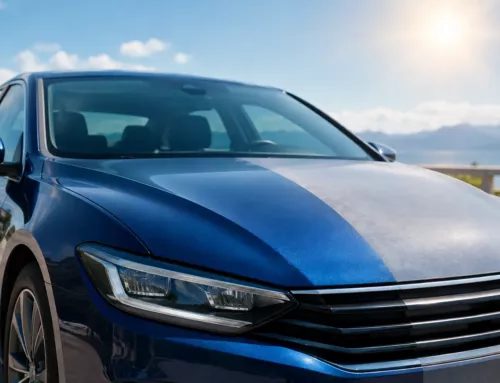
That hydrophobic behaviour is one of the most visible benefits. After rain or a careful wash, a coated vehicle often dries more cleanly and maintains a freshly detailed appearance for longer. This is particularly valuable for cars used every day around the New Forest, coastal roads and busy commutes, where damp conditions, salt-laden air and road contamination can affect presentation.
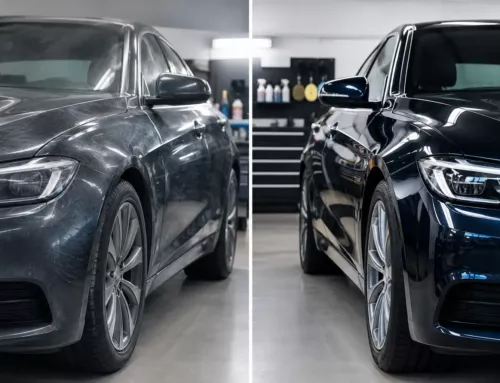
The coating also enhances gloss. On well-prepared paintwork, it can increase the sense of depth and reflection, helping metallic, solid and pearlescent colours look cleaner and more defined. For prestige vehicles, classics and well-kept family cars alike, this is often the difference between a vehicle that is simply clean and one that looks genuinely cared for.
Ceramic protection can also provide resistance against common contaminants, including bird droppings, tree residue, traffic film and bug splatter. These substances should still be removed promptly. The coating gives you valuable additional time and makes cleaning easier, but it is not a reason to leave contamination on the paintwork.
Ceramic Coating Is Not Scratch-Proof Protection
A clear understanding of the limits is essential. Ceramic coating does not make paintwork immune to stone chips, vandalism, poor washing techniques or contact with hard objects. A shopping trolley, a hedge brushing along a narrow lane or grit trapped in a wash mitt can still mark the surface.
It can offer some resistance to very light wash-induced marring and minor abrasion, but this should not be confused with complete scratch protection. Anyone promising otherwise is setting the wrong expectation.
A coating also cannot disguise existing defects. Swirl marks, oxidation, staining, holograms and deeper scratches remain beneath the protective layer unless they are corrected beforehand. In some lighting, a glossy coating can even make uncorrected imperfections more noticeable because it increases reflection and clarity.
This is why professional assessment matters. A newer vehicle may only require careful decontamination and refinement before protection. An older daily driver with dull, swirled paint may benefit from more involved paint correction first. The right approach is based on the paint condition and the outcome you want, not a one-size-fits-all package.
Preparation Determines the Finished Result
The visible shine of a ceramic-coated car begins long before the coating is applied. Proper surface preparation is the foundation of a durable, even finish.
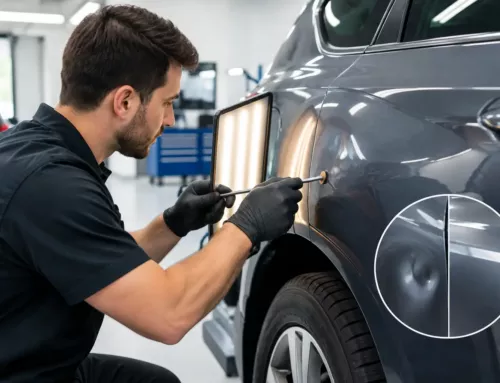
The process starts with a thorough clean to remove loose dirt, road film and contamination. The paintwork is then assessed under suitable lighting to identify defects, stains and areas requiring attention. Where appropriate, paint correction refines the clear coat and reduces swirl marks or scratches, bringing back gloss before protection is added.
The surface must then be fully cleansed and prepared so the coating can bond correctly. Rushing this stage risks inconsistent performance, reduced durability and a finish that does not meet the standard the vehicle deserves. Professional detailing is not only about applying a product. It is about controlling every stage that affects the final result.
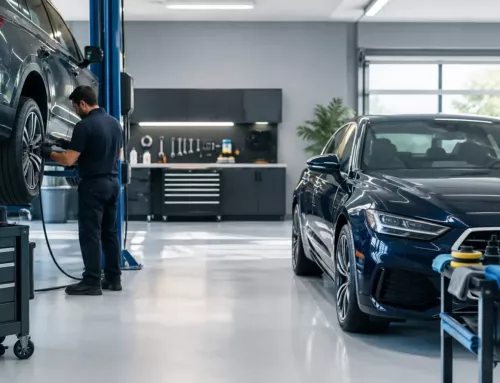
At X Studio Car, ceramic coating work is approached as part of a complete appearance-enhancement process. The objective is not merely to add protection, but to ensure the paint beneath it looks its best first.
The right coating depends on how you use the vehicle
A weekend sports car kept under cover has different needs from a school-run SUV, a classic car used sparingly or a saloon covering high motorway mileage. There is no single answer to how much protection every vehicle requires.
For a daily-driven vehicle, ease of cleaning and resistance to frequent contamination may be the priority. For a cherished classic, preserving paint condition and achieving a rich, refined finish may matter more. For a supercar or prestige vehicle, detailed correction and careful treatment of intricate panels can be central to the service.
The sensible choice takes account of the vehicle’s age, paint condition, storage, mileage and how much ongoing maintenance the owner is comfortable with. A professional consultation should make those choices clear without overcomplicating them.
Looking After a Ceramic-Coated Vehicle
Ceramic coating reduces cleaning effort, but it does not eliminate the need for regular washing. A coated car still collects dust, road salt, brake residue and airborne contamination. Regular, careful maintenance prevents these deposits from building up and keeps the hydrophobic effect working as intended.
Avoid treating the coating as a licence for neglect. Allowing grime to remain on any exterior surface for extended periods can affect appearance and make later cleaning more difficult. Prompt attention to bird droppings, tree sap and fuel spills remains good practice.
It is also worth remembering that coatings protect paintwork, not every surface in the same way. Wheels, glass, trim and interior materials may require their own suitable protection and maintenance routine. This is particularly relevant on larger seven-seat 4x4s and SUVs, where wheels, lower panels and tailgates often face heavier use.
If the water behaviour appears to reduce over time, it does not automatically mean the coating has failed. Surface contamination can mask its performance. A professional inspection and maintenance clean can identify whether the finish simply needs careful decontamination or whether further protection should be considered.
When Is Ceramic Coating Worthwhile?
Ceramic coating is most worthwhile when you value a lasting, well-presented finish and are prepared to maintain it correctly. It suits owners of new cars who want to protect fresh paintwork from the outset, as well as owners of older vehicles who want to restore clarity through correction before preserving the improvement.
It is also a practical choice for people who want their car to look better between washes. The easier-release surface can save time during routine cleaning and help a well-maintained vehicle continue to look polished through changing weather.
However, if the paintwork has substantial damage, peeling lacquer or defects that need specialist repair, those issues should be assessed first. Protection works best on a sound, properly prepared surface. Similarly, a vehicle that is rarely cleaned or regularly exposed to harsh automated washing may not receive the full long-term benefit of a coating.
A Better Starting Point Than Choosing by Durability Alone
Coating durability figures can sound impressive, but they should not be the only deciding factor. Preparation quality, vehicle use and aftercare have a major influence on real-world performance. A carefully selected system, applied with precision to corrected paintwork, is more valuable than a headline claim that does not match how the car is driven or maintained.
The best result is one that suits your vehicle and gives you confidence each time you walk back to it. Whether your priority is restoring a dulled daily driver, protecting a new SUV or preserving the finish on a cherished classic, begin with an honest assessment of the paintwork. That is where lasting protection and an exceptional finish properly start.