
A ceramic coating can add impressive gloss, water behaviour and day-to-day protection, but its performance is decided before the coating bottle is opened. The coating preparation process is the work that removes what should not be on the paint, corrects what can be improved and creates the clean, stable surface a coating needs to bond correctly.
For car owners, this is the difference between a vehicle that simply looks freshly valeted and one that has genuinely been prepared for long-term appearance enhancement. It is also why professional coating work cannot be judged by the final photograph alone. The finish may look excellent on collection day, but preparation determines how clearly the paint reflects light, how evenly the coating applies and how well the protection performs over time.
Why preparation matters before ceramic coating
Vehicle paintwork is rarely as clean as it appears. Even a newer car can carry road film, industrial fallout, brake dust, tree sap, tar, mineral deposits and bonded contamination that ordinary washing does not remove. These deposits interfere with the surface and can leave paint feeling rough, looking dull or showing reduced clarity in direct light.
A ceramic coating is designed to sit on properly prepared paintwork. It does not dissolve embedded contamination, conceal swirl marks or level scratches. If coating is applied over defects or residue, those issues remain visible beneath the protection. In some cases, they can become more noticeable because the coating adds gloss and definition.
Preparation also matters because every vehicle has a different history. A daily-driven family SUV may need attention around lower panels, door shuts and boot areas. A prestige saloon may have light wash marring that softens the paint’s reflection. A classic car requires a more cautious, paint-led approach, while a supercar may have intricate panels, sensitive finishes and areas where precision is essential. The correct process depends on the vehicle’s condition, paint type and the standard of finish the owner expects.
The professional coating preparation process
A quality service begins with assessment rather than assumptions. The vehicle is inspected to identify the condition of the paintwork, the type and extent of contamination, previous coatings or dressings, and any areas requiring particular care. This establishes a suitable plan for cleaning, decontamination and, where needed, paint correction.
Safe washing removes surface grime
The first stage is a careful exterior wash designed to lift loose dirt and road film without adding unnecessary marks. Wheels, arches, tyres, exterior trim, badges, panel gaps and other detailed areas need proper attention, because contamination migrates from these areas during washing and drying.
This stage is not a quick visual refresh. The aim is to create a clean working surface so the true condition of the paint can be assessed. After washing, dullness, staining, swirls and isolated scratches are often easier to see than they were when the vehicle was covered in road grime.
Decontamination deals with what washing leaves behind
A vehicle can look clean and still feel rough to the touch. That texture is often caused by bonded contaminants sitting on or within the uppermost paint surface. These can include metallic fallout, tar residue, traffic film and environmental deposits collected during everyday driving and parking.
Professional decontamination removes these contaminants in a controlled way. It is particularly valuable on vehicles that spend time near busy roads, rail routes, coastal areas or under trees. In Hampshire and Dorset, daily use can expose paintwork to a varied mix of road salt, damp weather, bird droppings and airborne contamination, all of which make thorough preparation worthwhile.
This work creates a smoother, cleaner base. More importantly, it prevents contamination from being sealed beneath the ceramic coating, where it would compromise the appearance of the finish.
Paint correction improves clarity, not just shine
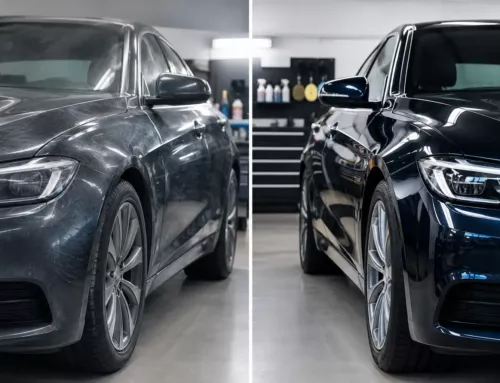
Once the surface is clean, paint correction can be considered. This is the stage that addresses visual defects such as wash swirls, light scratches, haze, oxidation and dullness. Using appropriate machine-polishing techniques and carefully selected products, a detailer can refine the paintwork to improve gloss, depth and reflection.
The right level of correction is never one-size-fits-all. A vehicle with relatively fresh paint may need a light refinement to improve clarity before coating. A neglected vehicle may benefit from more extensive correction to reduce the appearance of accumulated defects. On older, classic or repainted panels, the priority may be preservation rather than chasing maximum correction.
That trade-off matters. Paint correction removes a very small amount of clear coat to level defects, so responsible detailing means improving the finish while respecting the available paint thickness and the vehicle’s long-term condition. The aim is an exceptional result achieved with care, not an unnecessarily aggressive process.
Final cleansing prepares the paint for bonding
Following correction, residues from polishing oils and other products must be removed. A final panel cleanse ensures the coating meets clean paint rather than a layer of residue. This stage may be less visible than polishing, but it is central to coating performance.
The vehicle is then inspected under suitable lighting. This is where missed marks, residue in panel gaps or uneven correction can be identified before coating application begins. Professional preparation is methodical because a ceramic coating is the final protective layer, not a shortcut around unfinished work.
What preparation can and cannot achieve
The coating preparation process can transform the appearance of paintwork by removing contamination, refining defects and revealing the colour and gloss already present in the vehicle. Dark colours often gain sharper reflections, metallic paint can show greater sparkle, and lighter finishes can look cleaner and more uniform.
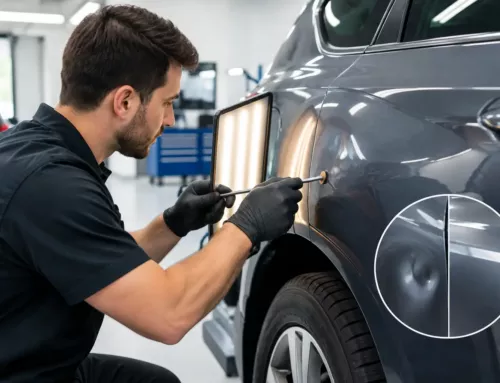
However, preparation cannot reverse every form of damage. Deep scratches that have passed through the clear coat, stone chips, failed lacquer, severe corrosion or poorly matched previous repairs may require a different solution. Precision paint touch-ups can help improve selected chips, but they are not the same as complete panel repainting.
It is also sensible to keep expectations realistic after coating. Ceramic protection makes routine cleaning easier and helps defend against everyday contamination, but it does not make paint completely scratch-proof. Careful washing and timely removal of bird droppings, tree sap and other contaminants remain part of protecting the finish.
How to recognise a properly prepared vehicle
The most obvious sign is visual clarity. Under inspection lighting and natural daylight, the paint should look clean, even and reflective, without greasy smears or trapped residue. The coating should be applied evenly, with attention given to painted panels, gloss trim and other suitable exterior surfaces included within the agreed service.
There should also be a clear explanation of the work carried out. Customers deserve to understand whether their vehicle received a maintenance-level refinement, a more involved correction service or coating preparation focused on decontamination and cleansing. Transparent advice helps you choose a service based on the vehicle in front of you, not a generic package description.
At X Studio Car, preparation is approached as the foundation of the result, with quality services tailored to the condition and significance of each vehicle. Whether the goal is to revive tired paintwork or protect a newer car from the start, the work should be planned around the vehicle rather than rushed to fit a fixed formula.
When is the right time to arrange coating preparation?
The ideal time is before a coating is applied, especially when taking delivery of a new vehicle, buying a used car or restoring the appearance of paintwork that has become dull through regular use. New does not always mean fully prepared: transport, storage, dealership washing and handover cleaning can all leave light marks or bonded contamination behind.
Preparation is equally valuable before a seasonal change, after a period of heavy mileage or when washing no longer restores the gloss you remember. If the paint feels rough, looks flat in sunlight or shows swirls around door handles and on broad panels, an inspection can establish the most suitable route.
A well-prepared coating is not simply a finishing touch. It is a considered investment in how your vehicle looks every time you walk back to it, and in how confidently its paintwork can be maintained in the months ahead.