
A supercar is rarely just transport. Its paint finish, carbon-fibre trim, wheel design and interior materials all contribute to the experience of owning it – and each needs the right level of care. This supercar detailing guide explains what professional detailing should involve, why the process must be tailored to the vehicle, and how considered protection helps retain the depth, clarity and condition that make a high-performance car stand apart.
For a vehicle with low bodywork, intricate aerodynamic surfaces and often very soft or specialist paint, a quick wash is not enough. The objective is to enhance the finish without introducing further defects, then protect it from the contamination and wear that build up during normal road use.
Why supercars need a different detailing approach
Supercar paintwork can be particularly rewarding to correct, but it also demands restraint. Curved panels, sharp body lines, vents, carbon-fibre components and limited access areas all affect how the car is cleaned and refined. The technician needs to understand the surface in front of them rather than applying one standard process across the entire vehicle.
Paint condition varies considerably, even on newer cars. Fine wash marks can soften reflections in direct sunlight, while deeper scratches, staining, bird droppings and bonded contamination can reduce the clarity of the lacquer. Dark colours tend to expose these imperfections most clearly, although metallic and pearlescent finishes also lose visual impact when the surface becomes dull.
There is also the question of materials. Satin paint, paint protection film, exposed carbon fibre, polished metal, alcantara, leather and delicate wheel finishes cannot all be treated in the same way. A premium detailing service identifies those materials before work begins, selects suitable products and techniques, and avoids aggressive methods that may compromise the appearance of the car.
Supercar detailing guide: the professional process
A quality result is built in stages. Skipping preparation to move straight to polishing may create a temporary shine, but it does not address the contamination or defects that sit beneath it.
Inspection and a condition-led plan
The process should begin with a close assessment in suitable lighting. This reveals swirl marks, scratches, stone-chip areas, tar, water spotting and any previous repair work. It also allows the technician to check the condition of wheels, brakes, exhaust finishes, glass, trim and interior surfaces.
This inspection determines the appropriate level of paint correction. Some vehicles need a light refinement to restore gloss; others benefit from more extensive correction where it is safe and appropriate to do so. The right choice depends on paint thickness, panel condition and the owner’s expectations. Preserving paint is always more valuable than pursuing correction beyond what the surface can sensibly support.
Safe wash and decontamination
Before any polishing, the exterior must be cleaned thoroughly and carefully. This includes pre-washing to lift loose road grime, cleansing intricate areas around grilles and badges, and treating wheels with products suited to their finish. The lower sections of a supercar often collect heavy contamination because of their proximity to the road, while vents and aerodynamic channels can hold debris that is easily missed.
Decontamination removes bonded particles such as tar, fallout and other embedded contamination. This step creates a clean, smooth surface for subsequent correction and protection. It also prevents debris from being worked into the paint during polishing.
Attention to drying matters just as much. Water can remain in mirrors, panel gaps, grilles and rear-engine vents, later running out onto a freshly refined panel. A controlled drying process keeps the vehicle tidy and prepares it properly for the next stage.
Paint correction for depth and clarity
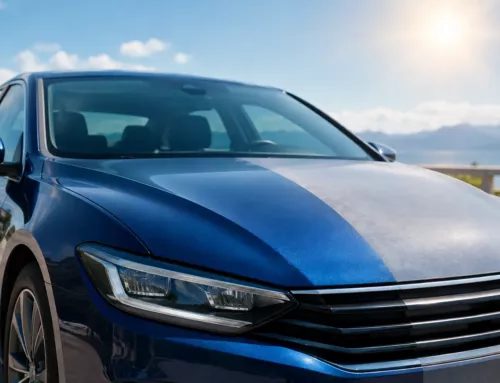
Paint correction is where the transformation becomes most visible. Using measured machine-polishing techniques, a detailing specialist can reduce the appearance of wash marring, light scratches and oxidation, restoring sharper reflections and a richer colour tone.
Correction is not about making unrealistic promises. Some deeper marks may remain if removing them would take too much material from the clear coat. A professional approach improves the finish substantially while respecting the long-term health of the paintwork. On a valuable vehicle, that judgement is essential.
Panel edges, complex curves and carbon-fibre components need particular care. The most effective correction is not necessarily the most aggressive one. It is the one that provides a clear, even finish while maintaining safe working margins across every surface.
Interior detailing with the same precision
The cabin should receive equal attention. Supercar interiors often combine leather, alcantara, gloss trim, metal controls and intricate stitching. These materials benefit from careful cleaning and appropriate protection, not harsh products that leave residues or alter their natural feel.
Interior detailing focuses on removing dust and grime from the areas drivers see and touch most, including seats, steering wheel, console, door shuts and glass. A properly finished cabin complements the exterior rather than feeling like an afterthought. It also makes every journey more enjoyable, particularly in a car that may be used selectively for weekends, events or special occasions.
Choosing the right paint protection
Once paintwork has been corrected, protection helps preserve that improved condition. The most suitable option depends on how the supercar is stored, driven and maintained.
A ceramic coating can provide durable surface protection, enhance gloss and make routine cleaning more manageable. It helps resist contamination such as bird droppings, road film and environmental fallout, giving owners more time to remove these contaminants before they can affect the finish. It is not scratch-proof, and it does not remove the need for proper maintenance, but it is a valuable part of a considered protection plan.
Paint protection film may be appropriate for vulnerable areas that face stone-chip exposure, particularly on cars used regularly or driven on faster roads. The decision depends on the vehicle’s use, existing paint condition and the level of protection required. In many cases, film and ceramic protection can be considered together as part of a broader vehicle-care strategy.
Wheel protection, glass treatments and protection for selected trim can also make practical sense. The key is not to apply every available treatment, but to choose systems that match the vehicle and how it will be enjoyed.
Maintaining the finish between appointments
After professional detailing, the aim is to prevent unnecessary wear from returning. Supercars often spend time in garages, but indoor storage does not eliminate dust, fingerprints, moisture or contamination picked up on the road. Regular, careful maintenance supports the protection already in place and keeps the car ready to use.
It is sensible to arrange a maintenance detail after periods of regular driving, long journeys, poor weather or seasonal storage. This allows contamination to be removed safely, coatings to be assessed and high-contact interior areas to be refreshed before they become more difficult to restore.
If bird droppings, tree sap or insect residue land on the car, prompt professional advice is worthwhile, especially on a dark finish or freshly corrected paint. These contaminants can be acidic or stubborn, and leaving them in place for too long may mark the surface.
When to book professional supercar detailing
The best time to book is before the vehicle looks heavily neglected. A new purchase, the start of the driving season, preparation for a show or event, and the period before placing a car into storage are all sensible opportunities. A detailing assessment is also valuable after buying a pre-owned supercar, where the paint may look clean but carry defects from previous washing and polishing.
For owners across New Milton, the New Forest, Bournemouth and surrounding Hampshire and Dorset areas, X Studio Car provides a condition-led approach to detailing, paint correction and protective coating systems. Each vehicle is assessed on its own materials, finish and use, so the work reflects the level of care the car deserves.
A supercar should look exceptional in the showroom, on the road and in your garage. The right detailing plan protects that feeling of pride every time you walk back to it.