
A vehicle can look clean after a wash yet still feel rough across the bonnet, roof and lower doors. That roughness is often bonded contamination: pollutants and road grime that have attached themselves to the paint rather than simply sitting on top of it. Professional car decontamination addresses these deposits properly, leaving the surface cleaner, smoother and correctly prepared for polishing or paint protection.
For owners who take pride in a sharp, well-kept finish, this is not an unnecessary extra. It is a key stage between washing and any serious enhancement work. Skipping it can compromise the clarity of the paintwork and reduce how effectively a protective treatment performs.
What car decontamination removes
Everyday driving exposes paintwork to far more than rain, dust and mud. Brake dust carries metallic particles which can embed into painted surfaces and wheels. Tar spots collect around the lower panels. Tree sap, insect residue, bird droppings, industrial fallout and traffic film can all adhere to the vehicle over time.
Some contamination is obvious, such as black tar marks on a white sill. Much of it is not. Iron fallout can be present even on a newer vehicle that appears immaculate, particularly after motorway use, parking near busy roads or regular exposure to rail and industrial areas. Coastal air and winter road conditions can also leave their mark on vehicles around Hampshire and Dorset.
A normal wash is designed to remove loose dirt safely. It cannot always break down or lift bonded particles without the correct process and products. Trying to force the issue with aggressive cleaning can create unnecessary marring in the paint. The aim of professional detailing is not simply to make a car look cleaner for the day, but to treat each surface with the control it requires.
Why a smooth surface matters
Contamination changes both the feel and the appearance of paintwork. A layer of embedded fallout and traffic film dulls reflections, makes colours appear flatter and gives water, grime and airborne particles more places to cling to. On dark paint, the loss of clarity can be particularly noticeable under direct sunlight or forecourt lighting.
It also affects the next stage of vehicle care. A polish, wax, sealant or ceramic coating should be applied to a properly prepared surface. If contamination remains, protection is sitting over deposits rather than bonding as effectively as possible to clean paintwork. This can limit the finish and shorten the practical benefit of the treatment.
Car decontamination is therefore especially valuable before paint correction or ceramic coating. It allows the condition of the underlying paint to be assessed accurately. Once bonded grime has been removed, scratches, swirl marks, etching and oxidation become easier to identify and address through the right service.
The professional decontamination process
There is no single approach that suits every vehicle. A family SUV that has covered winter mileage needs different attention from a low-mileage classic or a prestige saloon that has recently received paint protection. Condition, paint type, use and previous care all influence the process.
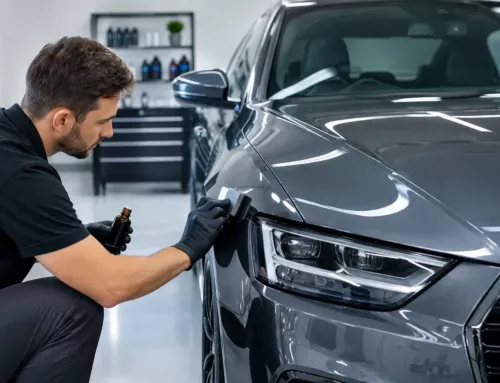
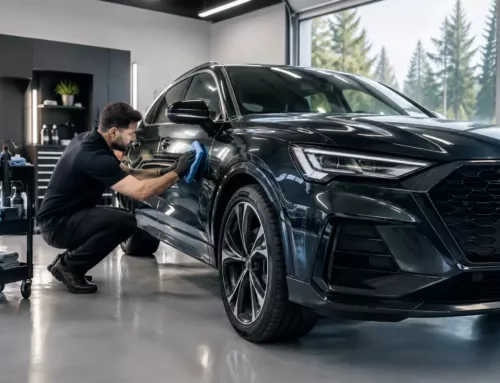
The work begins with a careful wash to remove loose dirt safely. The detailer can then inspect the paintwork, wheels, glass and lower panels for contamination. Purpose-made products are used in a controlled sequence to target specific deposits, including iron particles, tar and persistent road film.
Where necessary, a fine clay process may be used to remove remaining bonded particles and restore a glass-smooth feel. This is an effective stage, but it must be carried out with appropriate lubrication and technique. Even a fine clay treatment can lightly mark sensitive paint if handled carelessly, which is why it is often followed by machine polishing when the vehicle is being prepared for a higher-level finish.
The final outcome is not only a cleaner surface. It is paintwork that is ready for its intended next step, whether that is a maintenance protection treatment, paint correction or a ceramic coating system.
Decontamination is not paint correction
These services work together, but they solve different problems. Decontamination removes material sitting on or bonded to the paint. Paint correction refines the paint itself, reducing the appearance of swirl marks, light scratches, haze and dullness through measured machine polishing.
A heavily contaminated car can look dramatically better once it has been cleaned correctly, but decontamination will not remove scratches. Equally, polishing a contaminated surface is not the right route to a refined finish. Proper preparation comes first.
When does car decontamination make sense?
It is a sensible choice whenever a vehicle is due for more than a routine valet. If the paint feels rough after washing, water no longer behaves evenly across the panels, or the finish looks flat despite being clean, contamination may be part of the issue.
It is particularly worthwhile in these situations:
- Before ceramic coating, wax, sealant or paint correction work.
- After winter, when salt, grit and persistent road film have built up.
- Before selling a vehicle or preparing it for a special event.
- When a car has spent long periods parked outdoors beneath trees, near busy roads or close to rail routes.
- When wheels and lower panels have visible fallout, tar spotting or stubborn grime.
New cars can benefit too. A recently registered vehicle may have been transported, stored outside or displayed for weeks before handover. New does not always mean free from contamination, and careful preparation helps establish a stronger foundation for ongoing protection.
Choosing the right level of care
For a regularly maintained vehicle, decontamination may form part of a periodic enhancement detail. For neglected paintwork, it may be the first stage in a more involved programme that includes correction and protection. The right choice depends on the vehicle’s present condition and the result you want to achieve.
Owners of classics and prestige vehicles may prefer a slower, more considered inspection because original paint, delicate trim and historic finishes need particular care. High-mileage daily drivers, meanwhile, often benefit from targeted work that restores gloss and makes future cleaning more manageable. The principle remains the same: the service should suit the vehicle rather than follow a one-size-fits-all routine.
At X Studio Car, this assessment-led approach helps ensure that the work is appropriate, efficient and focused on visible improvement. It also makes expectations clear. If the paint needs correction after decontamination, that can be discussed before protection is applied rather than hidden beneath a temporary shine.
Protection after preparation
Once the surface has been properly decontaminated and, where required, refined, protection helps preserve the result. Quality waxes, sealants and ceramic coatings can improve gloss, make routine maintenance easier and provide a useful barrier against everyday contamination.
The protection option should match how the car is used and maintained. A ceramic coating can offer durable chemical resistance and easier cleaning, but it is not a substitute for careful washing or a licence to ignore bird droppings, tree sap and fresh contamination. Nor does it make paintwork completely scratch-proof. Sensible maintenance remains essential to keeping the finish at its best.
A properly prepared car simply gives any chosen protection a better starting point. Water can shed more freely, paint can look clearer and regular cleaning becomes less of a battle against bonded grime.
If your vehicle looks clean but no longer feels smooth or reflects light with the depth it once had, a professional inspection is a practical next step. The right decontamination service can reveal the true condition of the paintwork and set the standard for every detail that follows.